
Twenty-eight years ago, the world lost an irreplaceable soul leaving vast emptiness behind. José Monje Cruz, or Camarón de la Isla, was a Spanish Romani flamenco singer who partook in various collaborations, including some with Paco de Lucía and Tomatito. They became the three foremost artists of significant importance in the movement of reviving flamenco in the second half of the 20th century, and due to their efforts, the history of Spanish music was altered forever.
The Romani artist possessed the kind of image that the younger generations could associate and identify with; he was the first flamenco rockstar with his youthful, gipsy rebel vibe, enchanting voice, and a talent for both writing music and lyrics. But even with undeniable talent, some traditionalists criticized his fusions and commercial inclinations mainly due to his incorporation of the electric bass. Critics affirmed that the Spaniard soldout in his quest for fame and money by mixing pure 'cante' with different rhythms and beats. Camarón de la Isla continued his musical journey fueled by unmatchable inspiration leading to the creation- and unmistakable distinction- of Nuevo Flamenco.
Monje was born to the Romani family of Juana Cruz Castro, a "Canastera", and Juan Luis Monje, a singer as well as a blacksmith, in San Fernando, Cádiz, Spain. Due to his family's active role in his life, José Monje Cruz would be nicknamed Camarón (Spanish for shrimp) by his dearest uncle due to his fair skin and blond hair. Unfortunately, not everything was fun and games for the youngster. His father died of asthma, pushing the family into financial difficulties.
At the age of eight, Camarón de la Isla was faced with no other option than to sing at inns and bus stops for spare change. As the years passed, he won first prize at the Festival del Cante Jondo at the age of sixteen and proceeded to move to Madrid in search of a new, prosperous life, which -needless to say- he achieved.
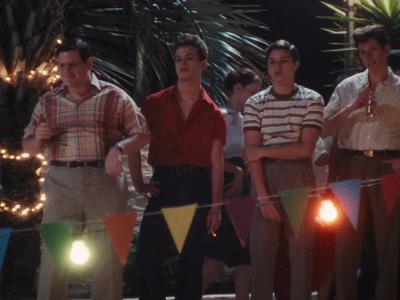
During the late '80s, his health deteriorated due to heavy smoking and reported drug abuse; in 1992, Monje died of lung cancer in Spain and was buried in his hometown surrounded by 100,000 people. Posthumously, he would receive the 'Llave de Oro del Cante' from the Ministry of Culture of the Junta de Andalucía in 2000, as well as having a biopic released in 2005 and a 2018 Netflix documentary about him and the myths surrounding his life.