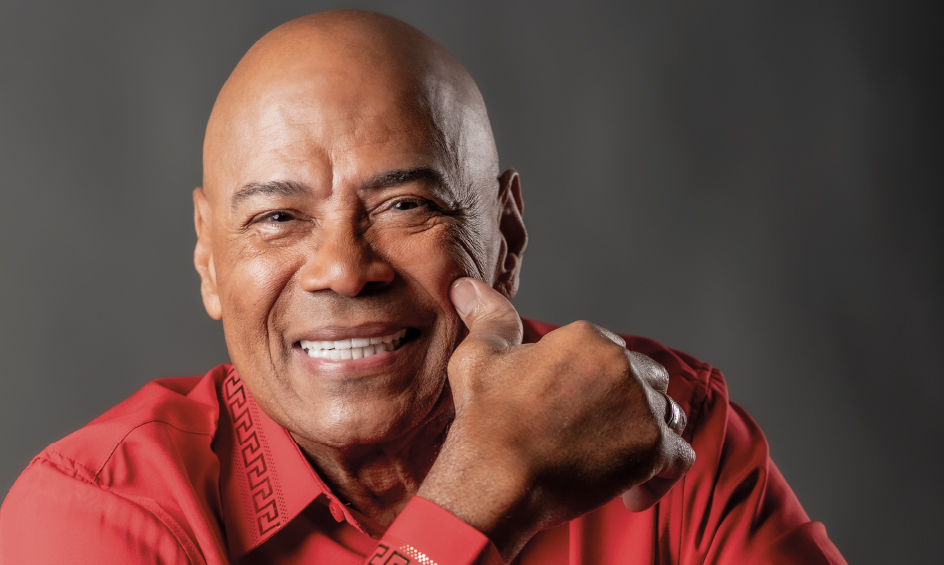
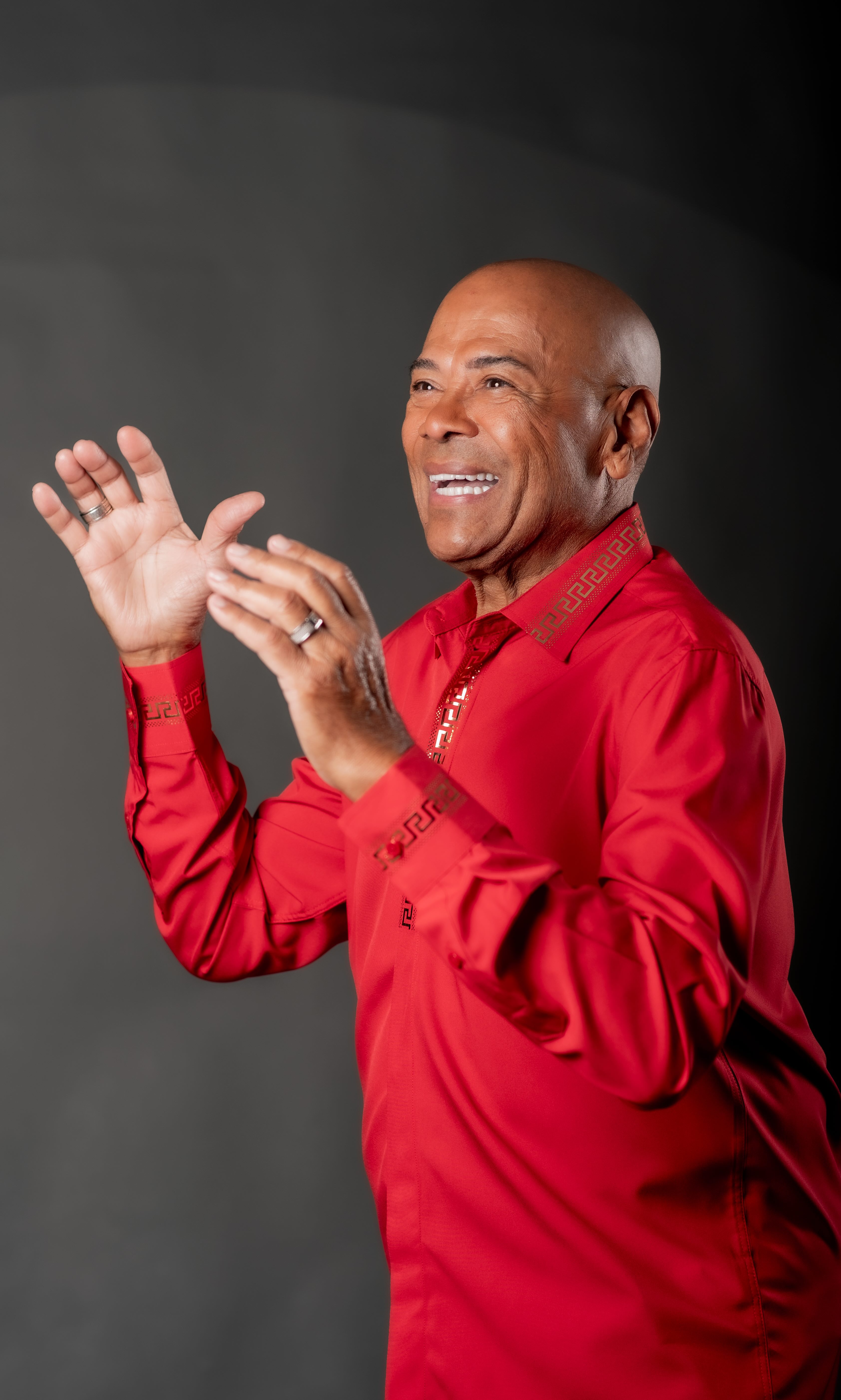
Wearing a white polo and dark glasses, there is a class to the handsome man on the screen infant of me that belongs to another time. Timeless. Classic. Refined. Whatever you call it, the elegance comes from a different mindset.
“Dressing well is a form of respect.” Rafu Warner tells me. “That’s my view. I always maintain my way of dressing - elegant, or at least I try. Imagine being ugly and badly dressed….”
Being very much not on the ugly side, he’s luck enough to be able to joke about it. But his style is enough to make me reflect on my own outfit, and be thankful the interview is taking place over Zoom.
Anyone who’s been to the Latin Caribbean knows that men and women of a certain age dress well there. Perhaps it is out of fear of the poverty they witness or respect for the culture that surrounds them. Growing up in Santurce, Puerto Rico, the birthplace of modern salsa, Rafu was naturally drawn towards the rich music and dance around him.
“When I was a child, I used to walk along Ponce de León Avenue to a radio program that Rafael Cortijo and Ismael Rivera had at noon where orchestras played,” he says. “We could enter the theatre for free.”
Rafu began singing at home, copying the masters.
“Music felt natural to me. But I never saw it as a profession. I did it because I enjoyed it, because that's how we grew up in my neighbourhood. I'd hang out with the guys on the corner, playing rhythms on tin cans and anything else we could find, because we didn't have real instruments back then. We'd sing harmonies together and make all kinds of noise. At Christmas we'd form little groups and go from house to house serenading the neighbours.”
At sixteen, a family friend encouraged Rafu to audition for La Traviesa, led by Pipo Rosario. He soon recorded two of his own compositions with the group while also performing with friends in Conjunto Vironay.
“Some wonderful musicians were part of that group, including Jimmy García and my dear friend Lucy Tron, who today is still the musical director of my orchestra.”
As opportunities in music gathered pace, adulthood arrived much faster than expected. At just eighteen, already the father of a young son, Rafu swapped college to work in a kitchen to help support his family.
“My dad took me out of college and told me, you have to go to work because you have a son, you have to be responsible for him. And I went to work in a cafeteria. I could make rice and fry the meat, but I didn't know how to make beans. And my mom made the beans for me at night, and I took it to the cafeteria the next day and served it for lunch.”
The kitchen sparked a lifelong love of cooking, but music continued to pull him back. He joined another orchestra called Impacto Crea. Created for people in rehabilitation programs, the orchestra always needed members for when people completed the program and returned to their lives.
“We weren't paid anything. We did it purely for the love of music and because we wanted to help the organization,” he says. “It also gave me the chance to gain more professional experience. It was a far more organized orchestra than the ones I'd played with before, with a much longer history and more experienced musicians. The standards were higher, and the level of competition demanded more from me.”
| 
|
“I also spent a lot of time with Franky Hernández, and I had the opportunity to learn a great deal from him. Franky was a very clever, playful character - a real rascal. Honestly, I feel incredibly fortunate and blessed to have had those opportunities.”
When financial difficulties forced Impacto Crea to fold, the musicians refused to let the project die. They regrouped under a new name: Nuestro Impacto.
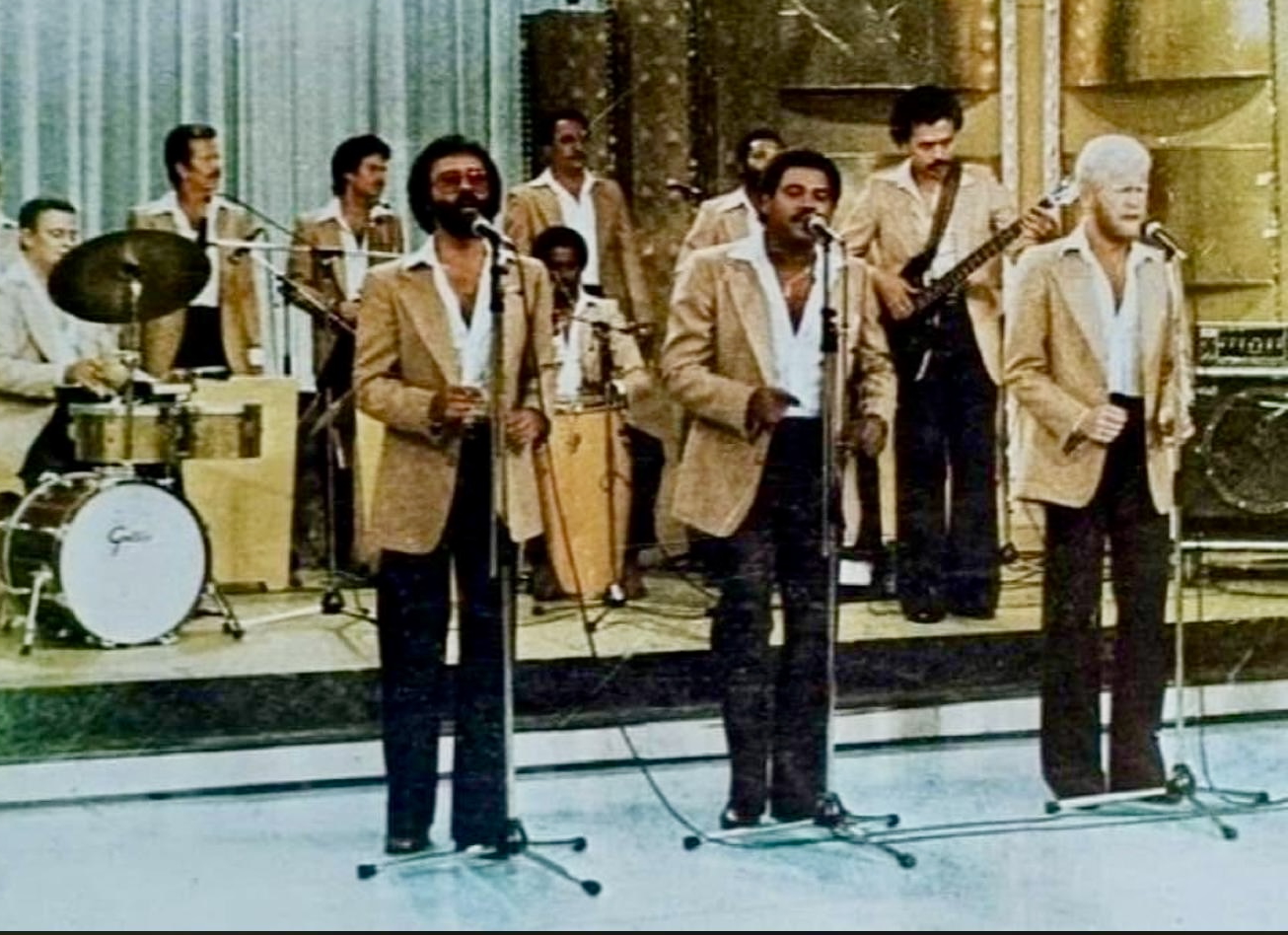
“One day we appeared on a television program, and that's where Danny Thompson and Tito Rodriguez, the percussionists from Bobby Valentín's Orchestra, saw me perform.”
That television appearance changed everything. That afternoon, Bobby Valentín called, asking him sing that same night, at one of the orchestra’s performances.
“The first thing he asked me was, 'Which of our songs do you know? Sing one so I can hear your voice.”Rafu looks at me with a mischievous expression, gleeful brown eyes brimming with joy as he fights to supress a deep laugh: “I had to tell him the truth. 'I don't actually know any of them.’ And Bobby looked so surprised. 'What do you mean you don't know any?'”
Instead Rafu sang the bolero “Tus Ojos’ by Santito Colón and Tito Puente
“Thankfully, Bobby liked what he heard. Then I looked over toward the stage and realised that El Gran Combo happened to be there and the who band applauding me. I thought, Well... I guess I've been given their blessing.”
“And that was it. We never signed a contract. We never discussed legal terms or anything like that. Everything was based on a handshake and mutual trust. Back then, a person's word carried just as much weight as a written contract. So, I began working with Maestro Bobby. The pay was excellent, among the best in the business at the time.”
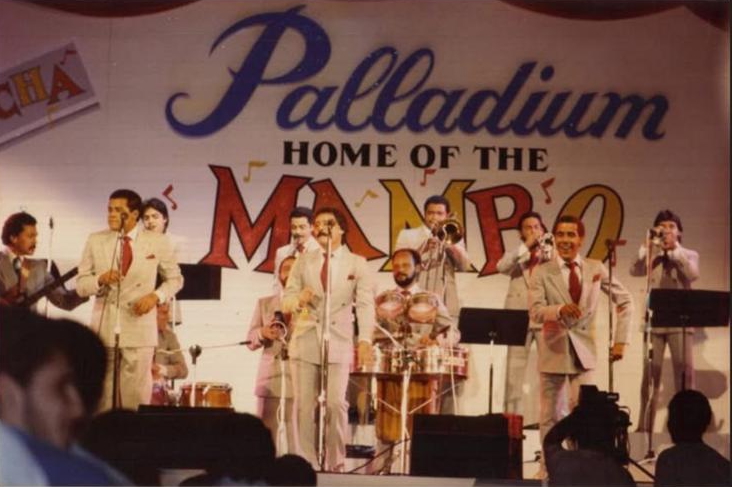
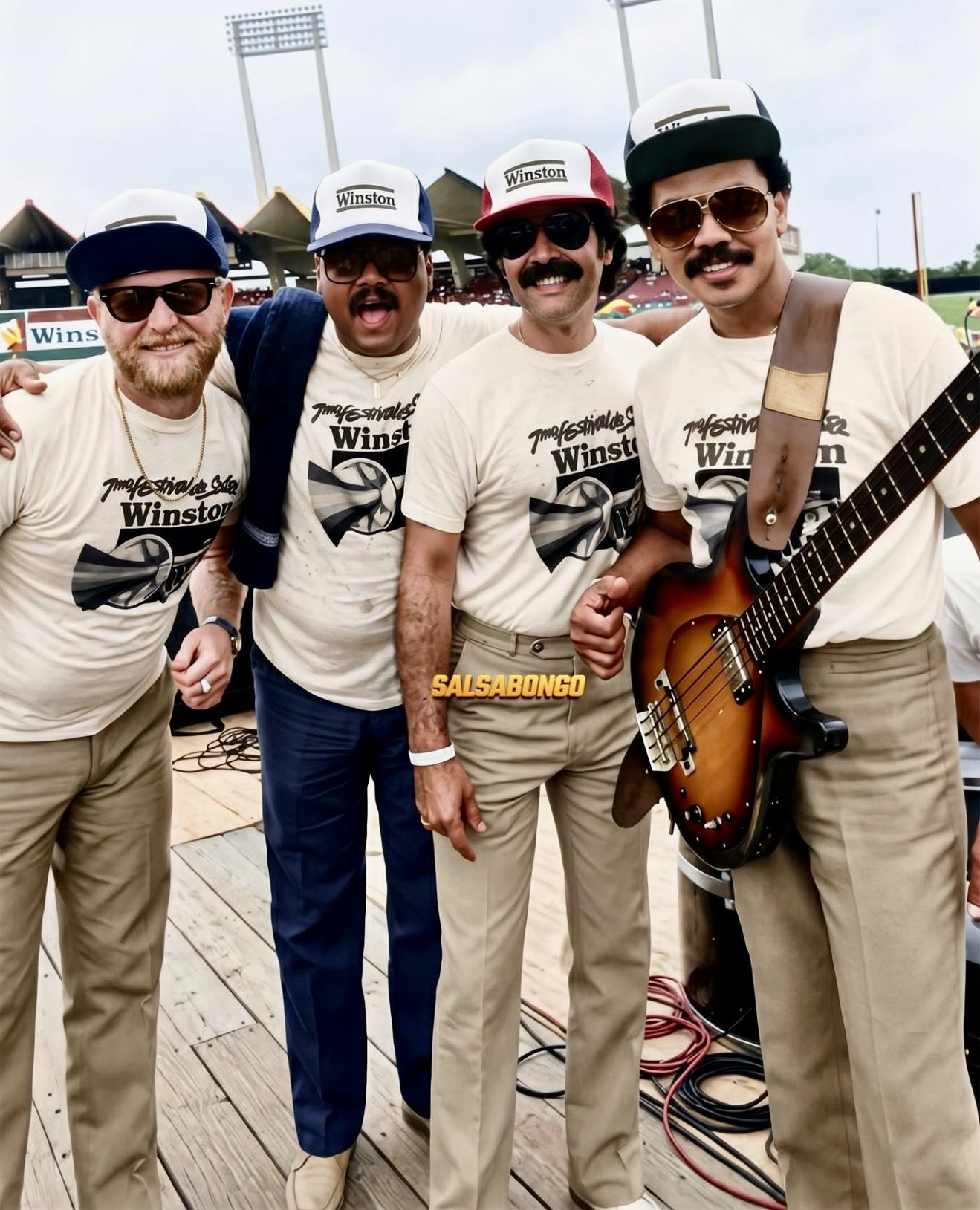
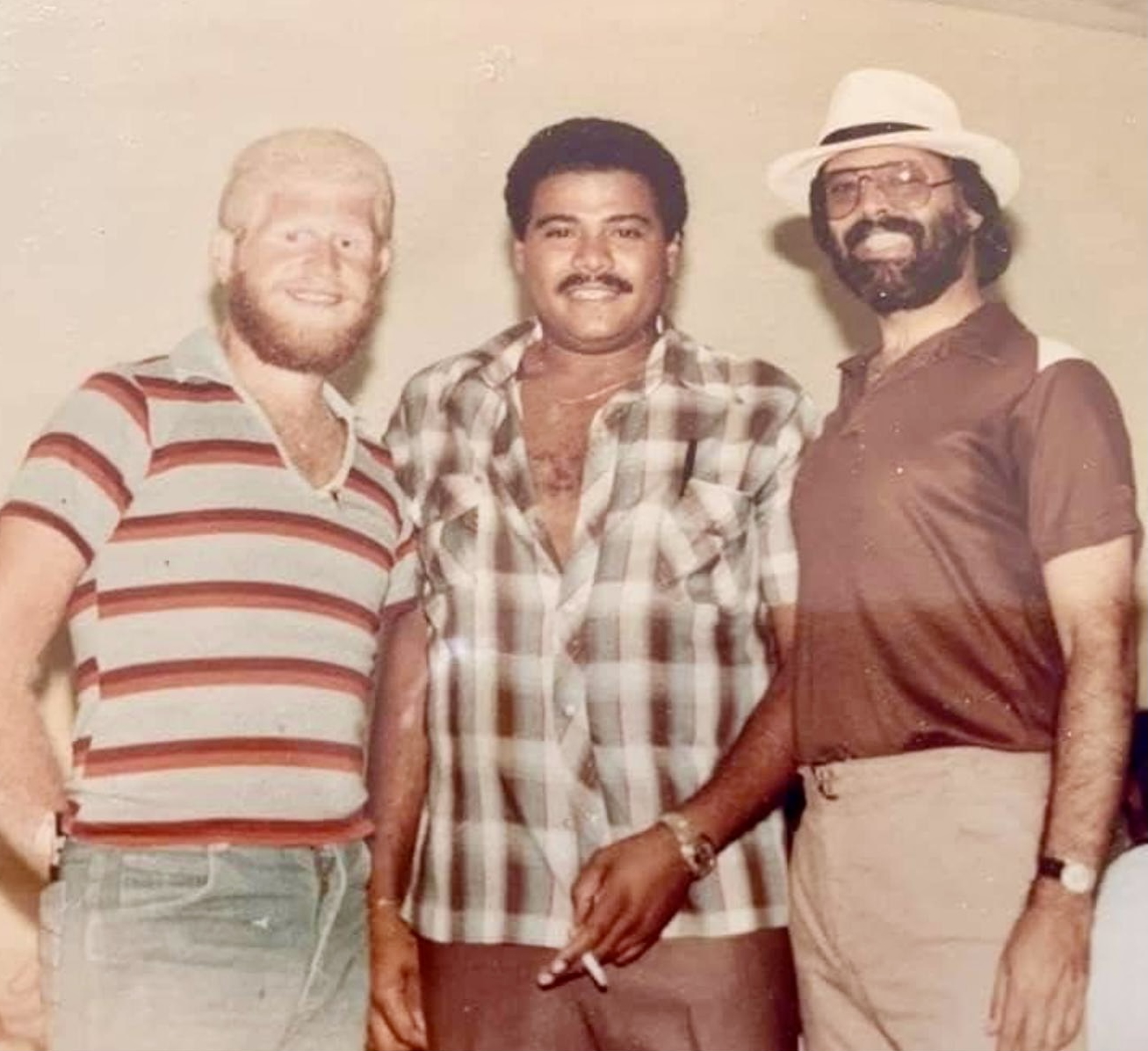
By the following evening, Rafu was wearing a grey-and-blue uniform, performing at the Caribe Hilton. Joining Bobby Valentín's orchestra transformed Rafu's career overnight. Over the next decade he would record classics including Justo Ahora, Brujería, Cantaré con una orquesta and Amor a Medio Tiempo, joining the musical institution that was salsa's Fania records heyday.
The schedule was relentless, remembers Warner: “Sometimes we played 28 or even 32 gigs in a single month. When we left one place, we had to go to another - sometimes two or even three shows in a day, changing uniform because we would get so sweaty, so we and show up fresh again at the next stage.”
But while the work was hard, Warner loved every minute of it. “Salsa was at its absolute peak. For me, it was like going from earth to heaven. It completely changed my life, ” he remembers fondly. “There was good camaraderie - the guys got along really well. Being together so long, you spend more time with them than with your own family, you know? You go through many beautiful experiences, and you learn a lot from everyone.”
He lets out a hearty laugh recounting the recording of Cantaré con una orquesta, which has an unusually high note.
"During the recording I sang it even higher than expected. What I didn't realise was that I had just created a huge problem for myself… Because after the song became a hit, I had to sing it every single night…” he laughs. “Many singers tell me that not just anyone can sing it. That's something I'm proud of. But at the same time... it's also given me plenty of headaches."
 |  |
Four decades later, those classics remain staples of his live performances, even as his career has increasingly centred on his own material.
His first attempt at a solo career, when he left the orchestra in the late 1980s, nearly ended before it had truly begun. The production company behind his first two albums unexpectedly collapsed, draining his enthusiasm for music altogether.
“I got disillusioned, and stopped recording for a while. Then I came back, because my passion for music was too strong. And I could stop playing music for a while, but not for life. So, I reinvented myself.”
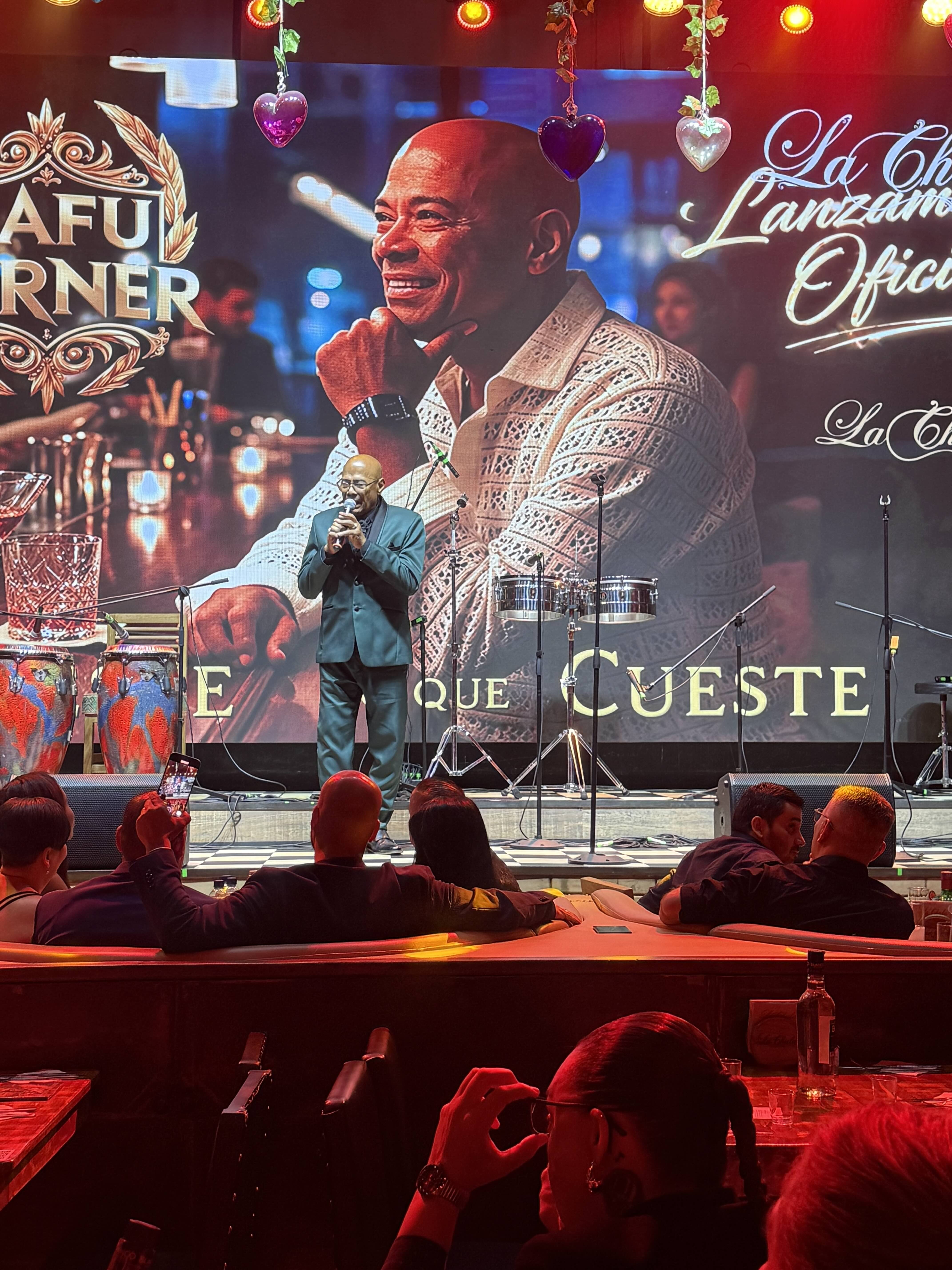
Music proved impossible to leave behind. He returned to music again in in 2003 and released his latest album Cueste lo que cueste just last year. The Latin-grammy nominated album is also his most personal record. Nearly every song traces some part of the relationship that has shaped his life for more than four decades – his life partner, Myrna Panell.
“We've known each other for 41 years, but we've been married for 35. When we met, we didn't like each other. A friend introduced her to me, and I said, nice to meet you. And she acted like I hadn’t said anything,” Rafu laughs.
After dedicating a song to her from the stage at a performance with Bobby Valentín, she finally agreed to a date. Today she manages both his performances and their businesses.
She also inspired the album's title track - a love song, about surviving the decades together - from raising a family to rebuilding their lives after hurricanes devastated Puerto Rico.
“That song was inspired by her, written for her, because our relationship hasn't been one of the simplest, sometimes it’s been a hard road.”
When Hurricanes Hugo and Georges tore through Puerto Rico, they ripped the roof from Rafu and Myrna's apartment in Carolina, leaving them exposed to the storm.
"The roof came off, and we were looking at the stars with the rain falling on us because we couldn't get out in the wind,” Rafu remembers. “We worked hard to save the property. And today we can laugh about those adventures and all the things one goes through in life. No matter how hard life gets, you have to keep going and fight for what you want."
The record also revisits one of the songs that first made his name. A newly recorded version of Justo Ahora was created with Colombian musicians as a tribute to the country where the song remains especially beloved.
 |  |
Now that salsa has found itself back in the mainstream in recent years, with artists like Bad Bunny incorporating salsa with reggaeton. Rafu welcomes the renewed attention.
“Each generation has to do what it needs to do. There are many young musicians entering salsa who mix those rhythms. If that formula works, do it. They have today’s audience.” He says. “But that’s something separate from salsa. It’s not salsa, it’s a mechanism to attract young people who have stopped listening to traditional salsa. I’d compare it to timba... - just rhythm …you can’t really dance timba in a way that feels stylish or flirty with a partner like traditional salsa. That kind of elegance is gone.”
Half a century after first putting on Bobby Valentín's uniform, Rafu Warner is still touring, recording and dressing for the stage with the same elegance that defined the era. Hot off his Colombian tour, the salsa legend flies to London
“You have a date with me.” He warns excitedly. “I’ll wait for you there so we can sing together and enjoy a spectacular night.”
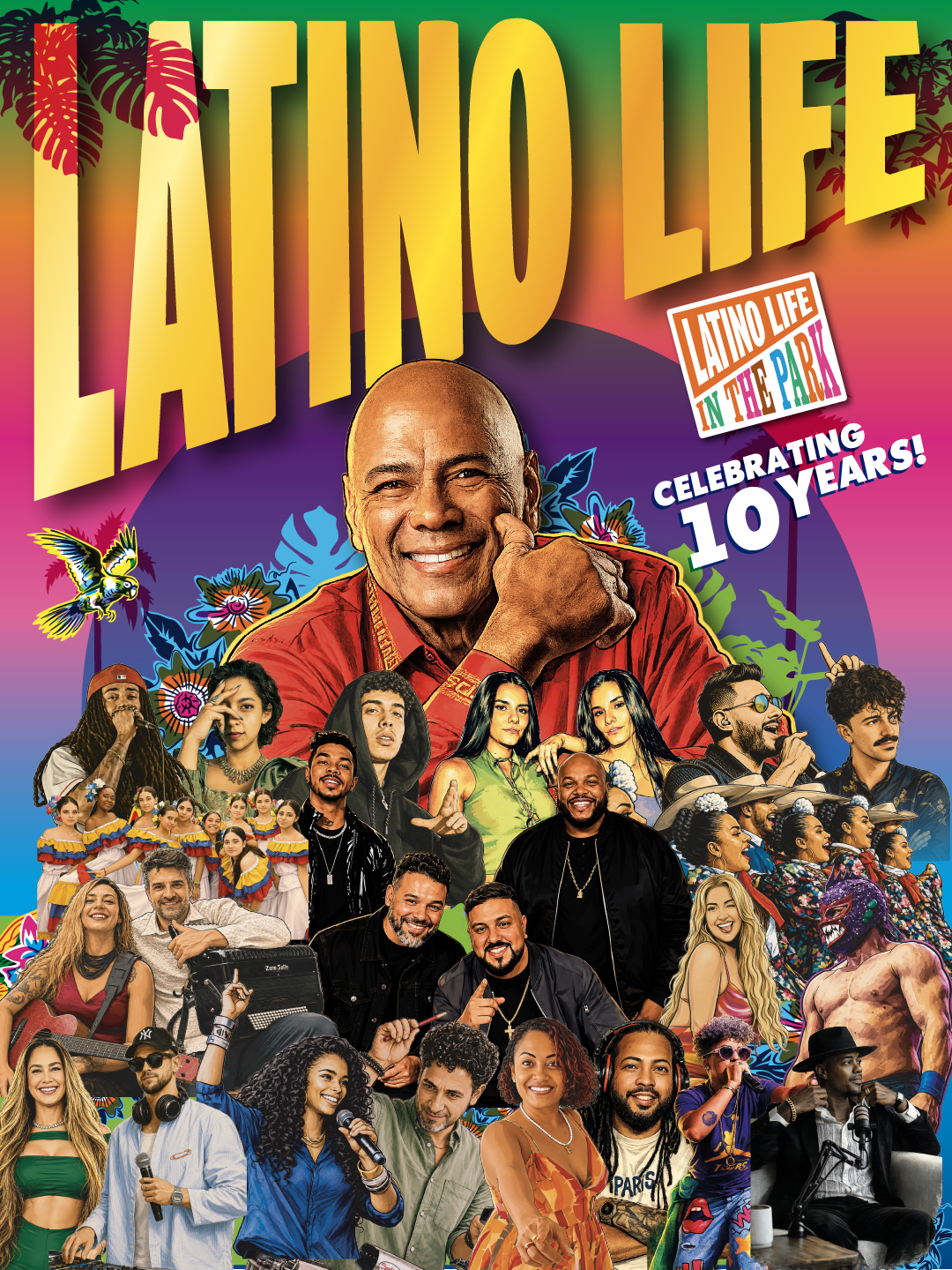
Rafu Warner performs at LatinoLife in the Park, Walpole Park, Ealing, on the 19 July. www.latinolifeinthepark.com