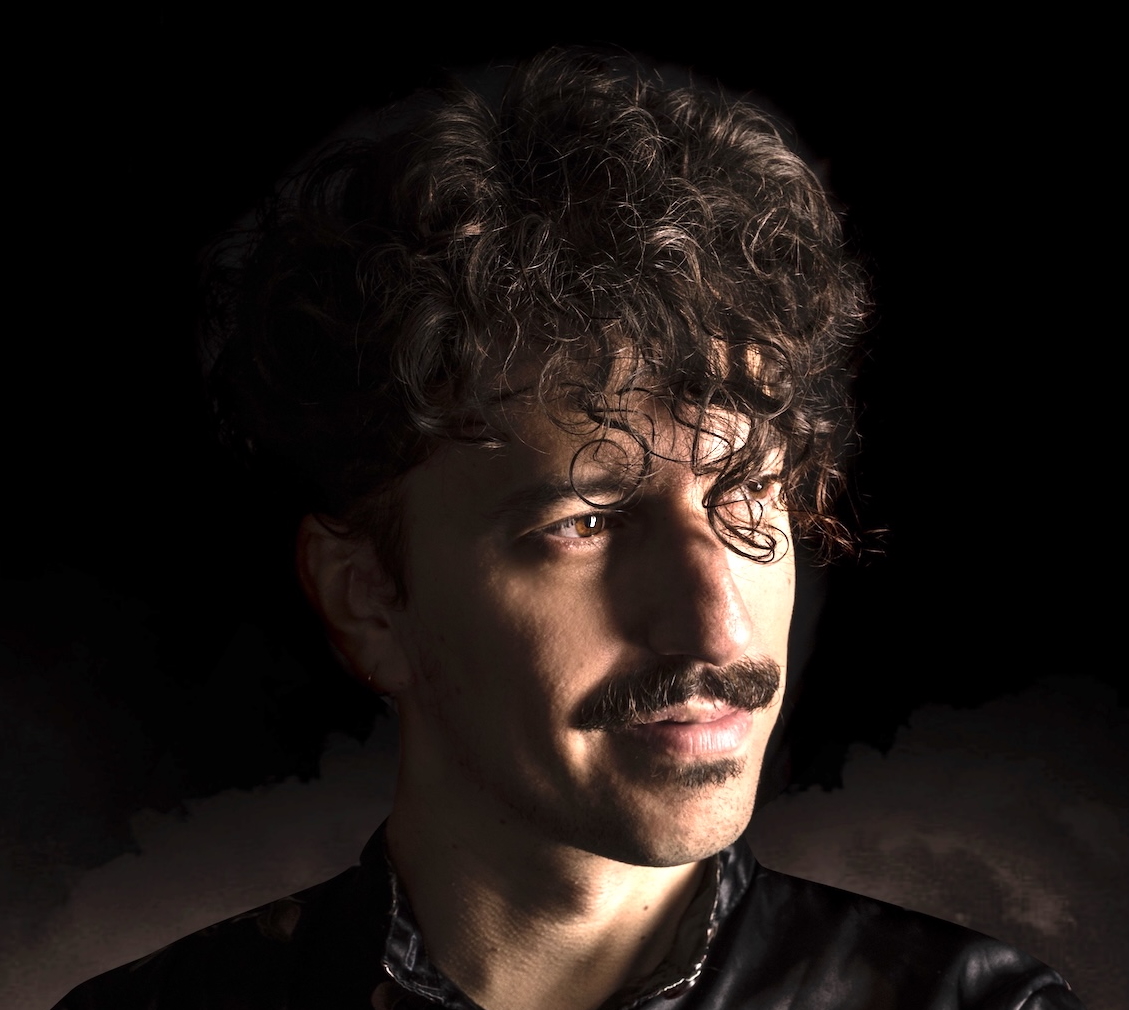
When Hernán connects to our Zoom call, he is just two days away from the start of an international tour that will take him across Europe. Sitting in his home studio, lit with vibrant purple lights, it seems I’ve caught the jazz pianist on everyone's lips in a rare moment of calm, before his whirlwind tour. But it is the life of chaotic creativity, he says, where he has always felt like home.
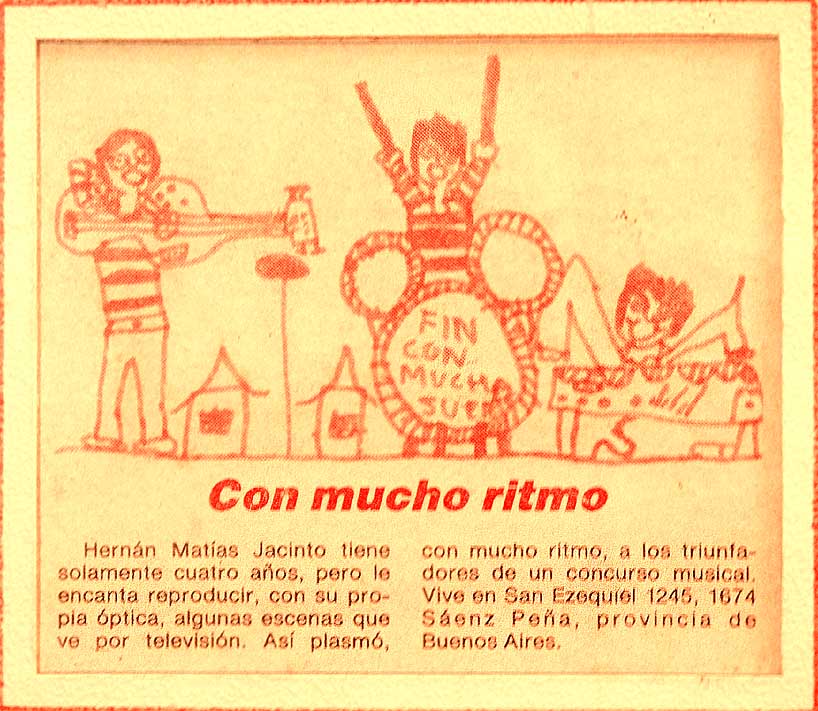
“Coming from artist parents, not musicians, but plastic artists, our family breathed creativity all the time.“ Rather than visual art, however it was the art of sound that found Hernán early on in life.
“I found a piano at school. There was an old vertical piano that nobody gave a damn about; this poor thing, there abandoned, I would go and play,” he says and describes how from a very young age, he became passionate about classical music. "It started in a supermarket of all places. There were some CDs on offer. I bought one out of sheer curiosity. All my friends listened to rock at the time, but for some reason I became obsessed with classical.”
Seeing his fascination with music, Hernán’s father found him a guitar teacher, who opened the door to jazz.
“My guitar teacher introduced me to jazz legends like Bill Evans, Keith Jarrett. I started playing for hours and hours at night, like a crazy nerd. And that's how I learned, playing alone. Later, I studied in a conservatory, but I learnt most just listening, playing the records of each artist that I liked and pulling out the chords and copying the little details.”
Hernán immersed himself in jazz, pulling apart recordings and spending countless hours at the piano. Whether he would become an artist was never in question:
“I think I was very clear about it as a child, even before playing the piano, that I wanted to be an artist. My mom illustrated for La Nación and my dad for Clarín, the most important newspapers in Argentina. So, they would draw sometimes until three in the morning. So as a child I said to myself, I'm going to be an artist, whatever that is.”
 | 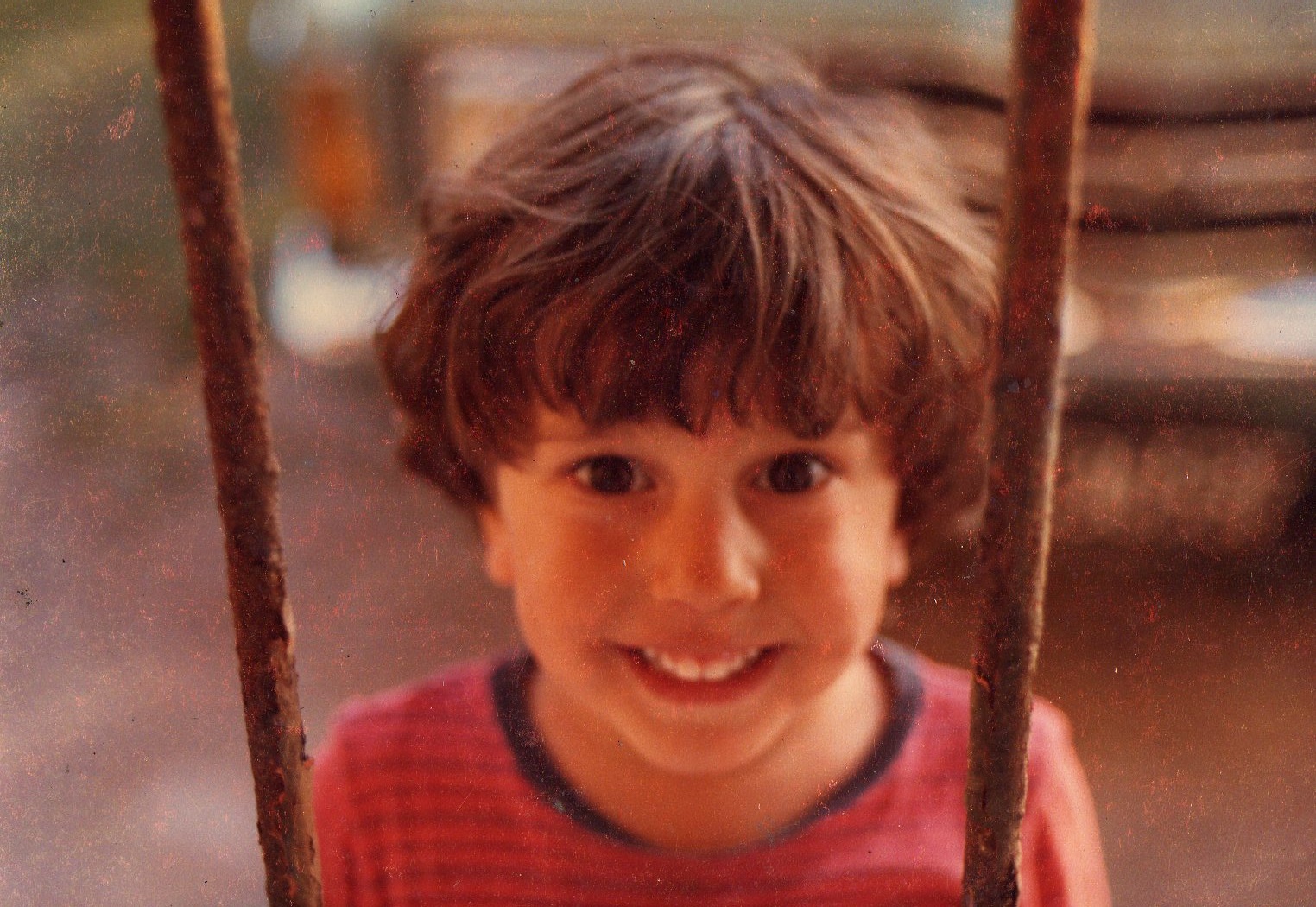 |
By fourteen Hernán had already formed his first jazz trio with his older brother and a friend. While most young musicians begin in larger ensembles, Hernán was already drawn to the intimacy of the trio, a format he still favours today.
“It's not such a usual formation when you're starting, but I’ve always been a fan of the jazz trio, like the trio of Kitsch Arret or Brad Meldau. I got into that format when I was very young, and I still bet on the trio, I feel there's more connection and interaction. It's like an evolution that you get to know with the bassist and the drummer, you develop a language. I love that. With less musicians, I feel it's easier to connect.”
By the time he was in high school, Hernán wanted to fully commit to music. So, he dropped out three years in. “The truth is that I had a massive lack of attention. It was very difficult for me to understand things. I only had music and creativity in my mind. It didn't fit into school. I was lucky to have parents who supported me in that sense.”
“In the third year of high school I was already working, playing a lot at night, arriving very late at home, earning money. And at one point I decided not to go to school anymore because my life was that - it was playing and working on music.”
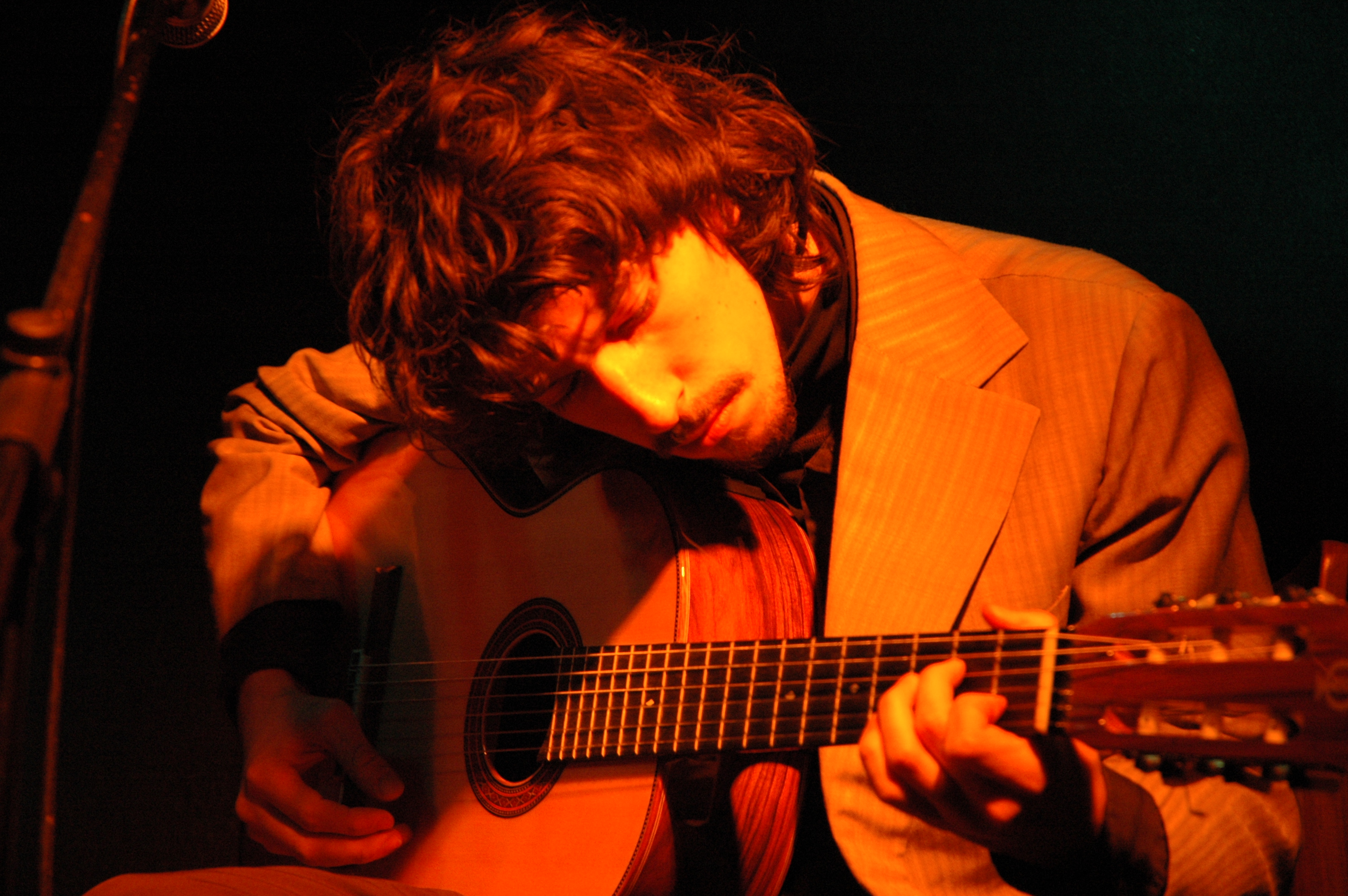
Supported by his parents and encouraged by Panamanian pianist Danilo Pérez, who he had met some years earlier at a jazz concert that his parents took him to, Hernán committed completely to music.
The risk paid off. Hernán successfully won a full scholarship to Berklee College of Music in Boston. But he chose to stay in Argentina instead.
“I knew it was an amazing opportunity, but the truth is I really liked being here in Argentina. I was already playing with top musicians, who were my idols, so I didn't have many ambitions to leave.”
Berklee allowed Hernán to follow the programme and graduate from Argentina, where he stayed, recording, collaborating and performing with top international musicians, from heavy weights such as Uruguayan rock-candombe legend Ruben Rada to pop stars such as such as Catriel & Paco Amoroso and Nathy Peluso.
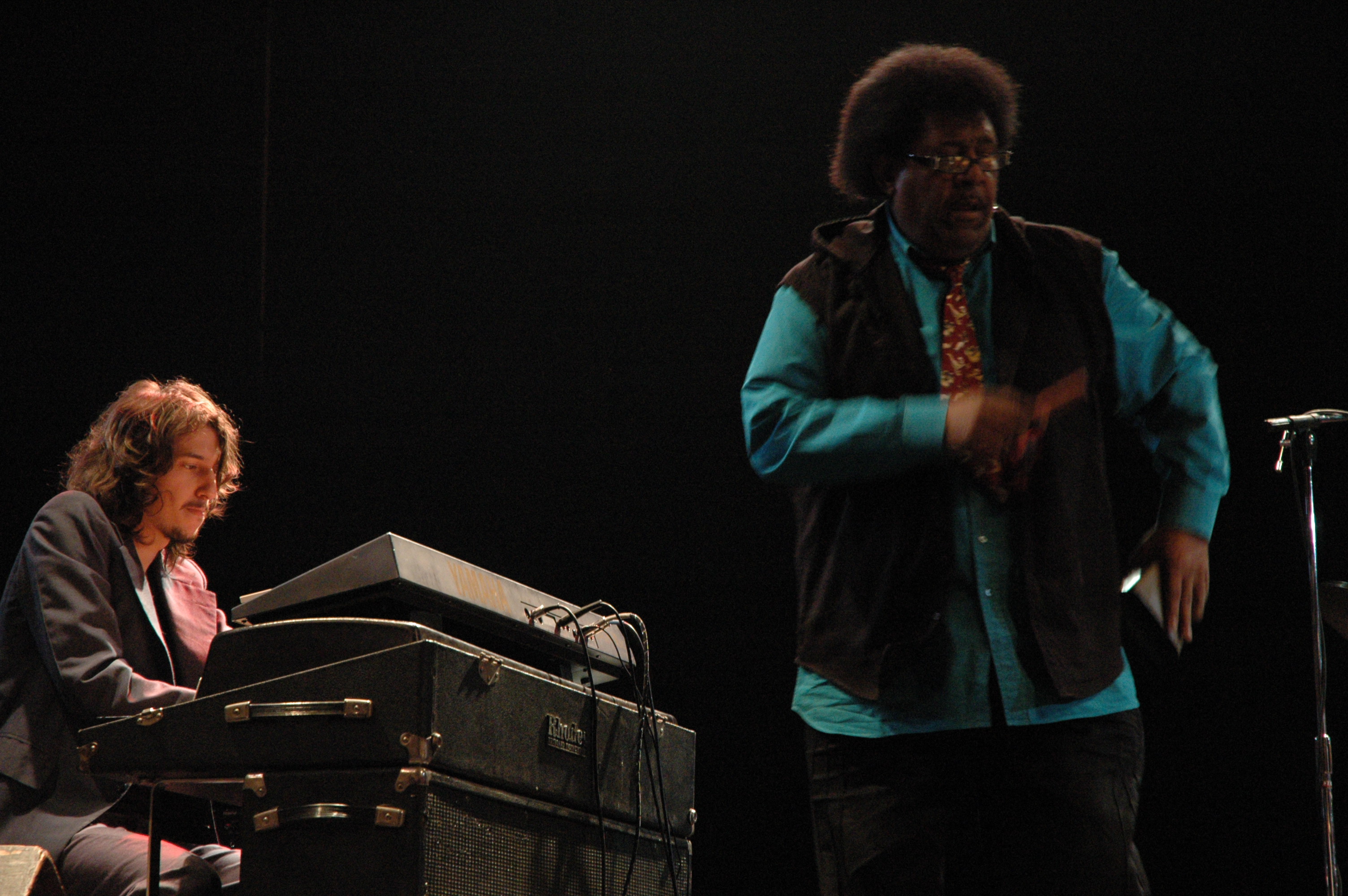
In 2017, Hernán won his first Latin Grammy, which consolidated his international status and connected him with a wider audience. In 2025, his album Gardel was awarded the Premio Gardel for Best Jazz Album. Considered one of the best musicians in Argentina, he is sought after by pop-stars and jazz musicians alike.
“Honestly, I think almost everything I do is fusion. The Gardel album, for example, is jazz fusion in its own way, even though it doesn't have that classic electric fusion sound from the 1970s with lots of keyboards. The fusion comes from combining different musical worlds,” he explains. “I have a lot of artistic curiosity. I constantly feel the need to change. It's part of my personality - I get bored relatively quickly. So, I always look for a new angle that keeps the process enjoyable.”
His musical style is also influenced by his role behind the mixing desk. Alongside performing, Hernán is also producer and sound engineer, recording, mixing and mastering for other artists such as Fernando Otero, for which he won a Latin Grammy in 2017 "Solo Buenos Aires."
"Everything that has to do with that, I put a microphone on a drum, a piano, I mix, you know? All those things fascinate me,” he says. ”Sometimes I put that more producer vision in the live show, and I think about the music from that side, as if I were mixing or recording at home."
His eight albums, reflect this constant need to experiment. His most streamed song on Spotify is a jazz version of ‘Here, There, and Everywhere’.
“I'm a fan of the Beatles, in fact, I also have a project of, at some point, releasing a music album by the Beatles.”
But one of the most attractive things about Hernán is that, his universality comes from being a uniquely Argentine artist. his most famous album, Gardel, is the greatest example of his own experimentation, marrying the tango compositions of the most popular Latin American artists of the last century and jazz.
“I'm not let’s say a faithful connoisseur of tango, but I feel a deep affinity with Gardel, because although he's a tango musician, Gardel’s music sounds a little wider,“ Hernan says.“He doesn't sound like classic tango. His melodies are universal and remind me a lot of the melodies of the great jazz composers, whom I admire a lot. Gardel was a genius.”
His other favourite album of is Camino, which was recorded with a symphonic orchestra. It has a lot of work behind it, a lot of obsession. It was the first time I recorded with an orchestra. I had never done something like that; in fact, I hadn't even played with an orchestra live or anything.”
He financed the album and the orchestra by winning a competition, submitting his composition for the orchestra involvement as well as an audio demo.
Even now, Hernán is looking forward to his latest experiment, an entirely unexpected collaboration.
“It's an entirely electronic album, with Andy Elihovich, a trap producer who's worked with Cazzu, Nicki Nicole, and other artists who don't really belong to my musical universe—but in some ways they do,” he says, because they are also, like him, Argentine artists. “It's still jazz, but has a very different aesthetic from my previous albums. There are electronic drums, instruments I don't usually use, and a lot of post-production work, which comes mostly from the producer.”
Working with a trap producer is simply the latest example of his refusal to repeat himself. For Hernán jazz isn't something to preserve, but something that grows through experimentation.
“I've always been a huge fan of jazz fusion. Herbie Hancock, for example, is one of the biggest references for that sound. So I wanted to have an album like that in my catalogue.”
As he prepares to bring his trio to London for the first time, one thing seems certain: the restless curiosity that first led him to an abandoned piano in a Buenos Aires school leads him to perform a tango-jazz repertoire in front of a festival audience. That is why Hernán chimes with LatinoLife, for we too love experimenting. When the quality is there, it's not a risk, because our audience knows quality when it hears it.
Hernán performs with his in trio format at LatinoLife in the Park, Walpole Park, Ealing, he revisits material from his acclaimed album Gardel, reworking iconic tango repertoire through a contemporary jazz lens.