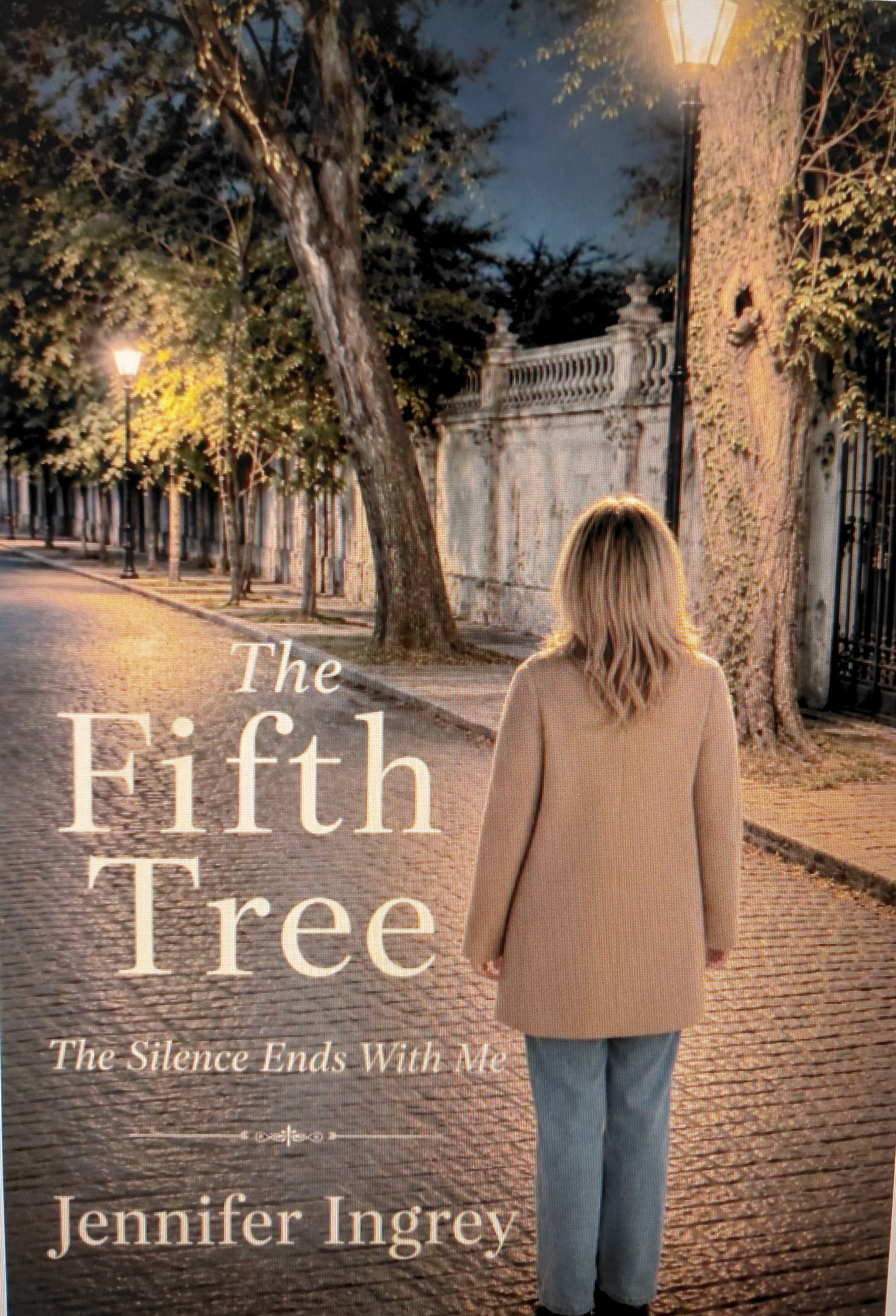
“A story held in silence, without answers” / ‘De eso no se habla.’
(We do not talk about this)
Argentine history during the period mentioned in The Fifth Tree book was dangerous and volatile. Inspired by the Cuban Revolution, in the late 1960s left-wing groups all over South America became more active dreaming of an armed uprising of the proletariat. Predominantly supported by left-wing group, including Mario Firmenich, the leader of the Montoneros, who had even visited Perón in Spain and Rome, Peronist supporters rallied around the objective to persuade the government to allow the exiled ex-president Juan Domingo Perón back.
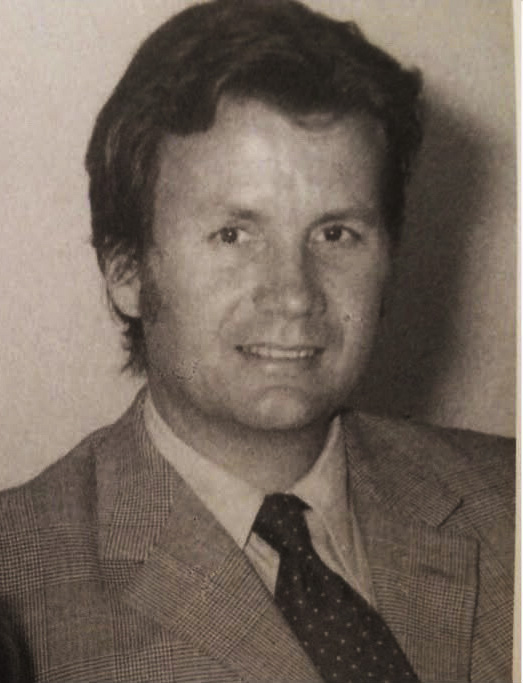
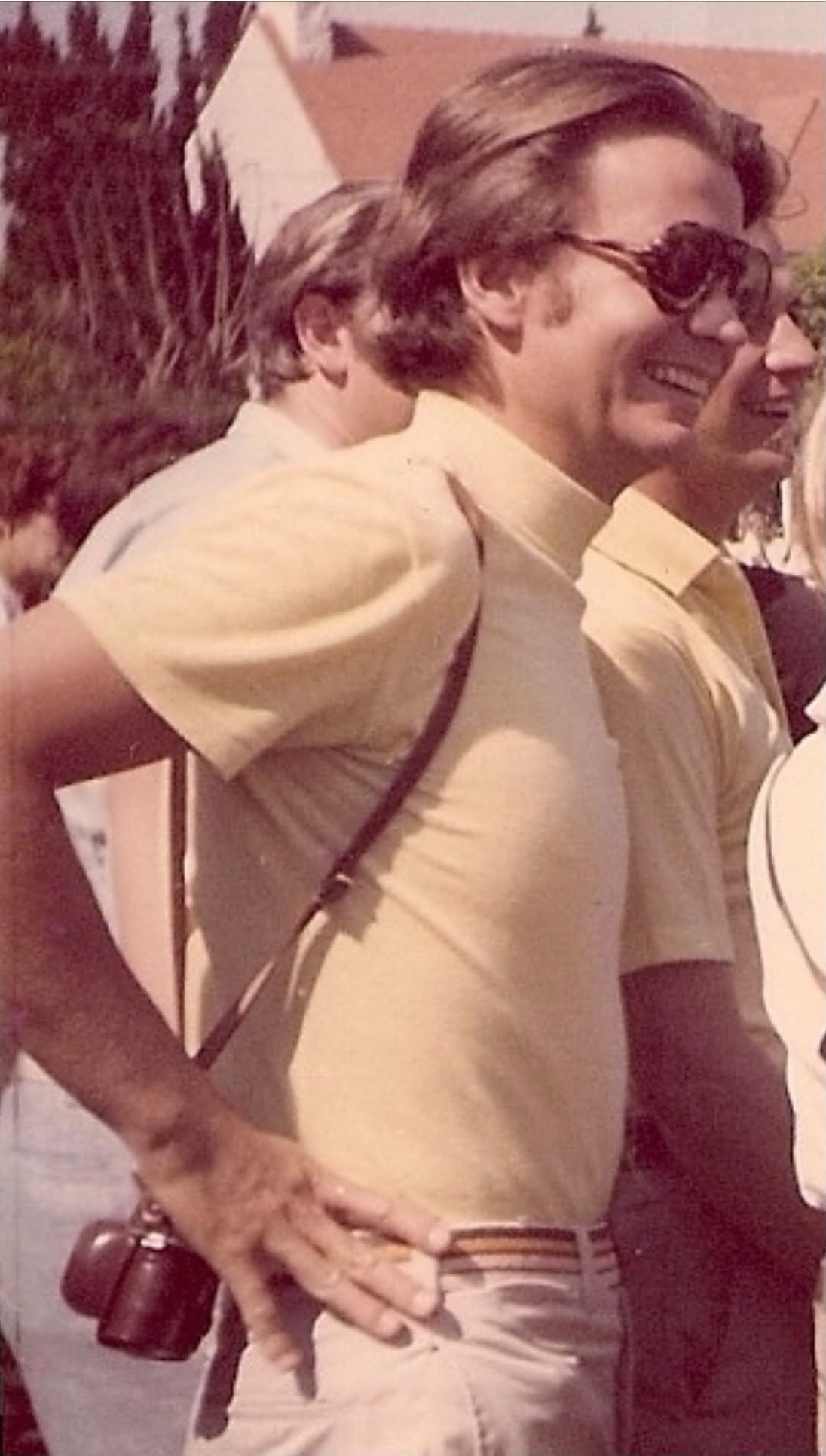
Frank Ingrey 1975
Originally, President Perón had been ousted in 1955 in the so- called ‘Revolución Libertadora’, led by General Pedro Aramburu, Admiral Isaac Rojas and General Lonardi. When Perón returned in June 1973, millions gathered to welcome him back, but the Peronist movement was now fatefully divided between a militant left-wing faction (the Peronist Youth and the Montoneros) and a right-wing orthodox faction. This led to a terrible massacre. As people waited for Perón’s plane to land at Ezeiza unexplained gunfire erupted, which was clearly aimed at the left- wing crowds, killing at least 13 and wounding 365. Meanwhile, Perón landed safely at the military base in Morón.
Some believe that Perón had only courted these influential left-wing groups to help him return to power as, in reality, he had little sympathy for them. He proved this by proceeding to publicly expel them from the Peronist Movement. Later, when she took over the presidency after his death, his vice-president and widow, Isabel Perón, formally prescribed them. This was too little too late.
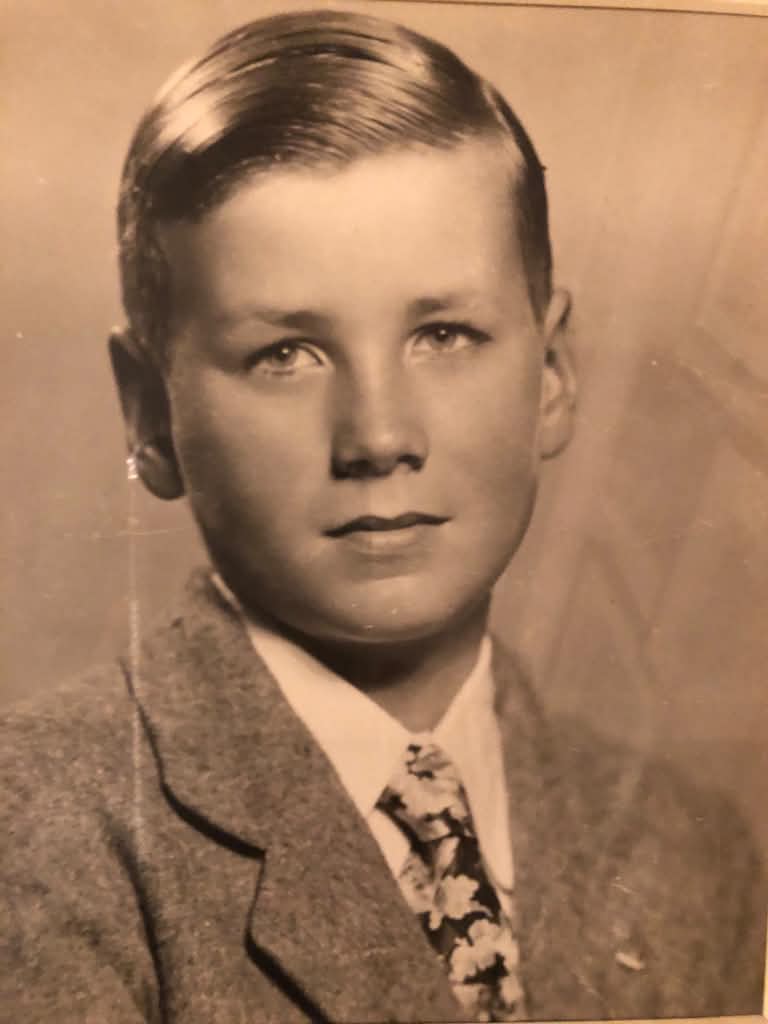
Frank Ingrey as a boy
Argentina began descending into chaos due to a number of armed left- wing groups that began a reign of terror. Isabel Perón was not capable so the de facto ruler of the country became the man she turned to for help after her husband’s death, the sinister minister José López Rega. He created the Tripe A, (Argentine Anti -Communist alliance), a mostly secret far-right paramilitary death squad, that aggravated the situation (and is blamed for over 1500 political assassinations and forced exiles between 1974 and 1975) creating a violent prelude to the Military coup and the infamous ‘Dirty War’.
In 1976, a brutal Military Regime took over and their ‘remedy’ led to an estimated 30.000 people going missing, known as Los Desaparecidos. Since Argentina returned to democracy, there have been huge demonstrations as relatives rightly clamoured to have these issues addressed and gain compensation, most famous among these are the ‘Mothers of Plaza de Mayo’.
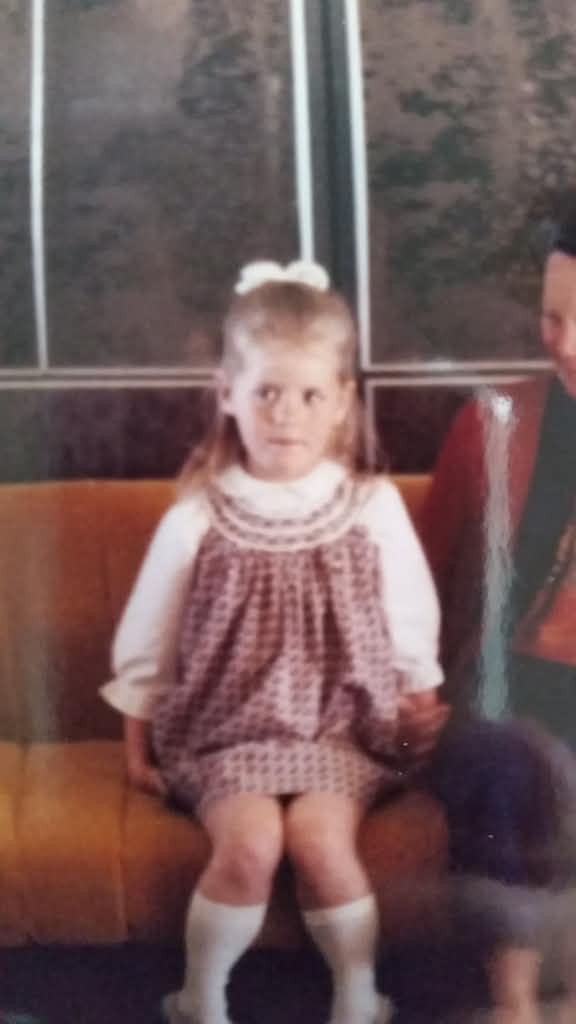
Jennifer Ingrey as a young child
In all this noise, far too little has been heard of the many who were kidnapped by the terrorists who were also ‘disappeared’ and murdered. They are never mentioned among the disappeared! They were innocent members of the population, who fell victim to the ruthless Marxist and left-wing terrorist groups like the ERP and Los Montoneros, who kidnapped anyone they thought could pay big money to help them further their cause and ideology.
Jennifer: -
“I mean, it was awful. You know, [the Oscar winning Luiz Puenzo’s film of 1985] ‘The Official Story,’ if you remember, [there were] a lot of things about how the terrible fascists did this and the terrible fascists did that, but we never got anything from the other side, just as you've pointed out. So, you know, you need to balance the books.”
Like many, Frank Ingrey was kidnapped, tortured and murdered by the terrorists and left abandoned in the rural outskirts of the city. Mainly, it was the fate of those who did not pay. Frank became a target as he happened to work at the investment bank, Banco Roberts that was run by his wife’s family. Frank was kidnapped with Charles Roberts, his brother-in-law, as they both returned from a break in Punta del Este (Uruguay), but Charles was one of the lucky ones, being released after payment of a large ransom.
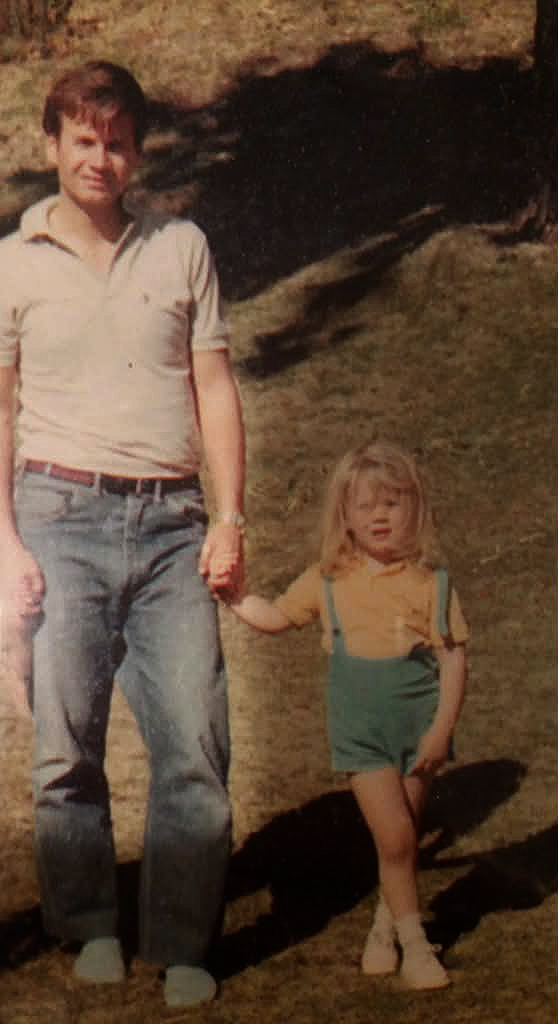
Frank with Jennifer
However, in the case of Frank, despite the ransom money being carefully left, as demanded, next to the Fifth Tree by the San Isidro Cathedral, but no one ever came to collect it. This fact has been a mystery that Jennifer has had to struggle with over the years: Why?
This period, while they were trying to negotiate with the kidnappers, was agonizingly torturous for the family as they waited for news. Hermetically encased in a tomb-like silence within the family, forbidden to ask about anything related to her father’s disappearance, the 10-year-old Jennifer struggled to make sense of her life. Her mother closed down to the world as she tried to keep her little family afloat. She was not coping emotionally and this fell harshly, like a sentence upon her children: -
“Well, since the day he was kidnapped, my mother stopped talking about my father. So, my younger brothers don't really know much about this. Yes. She remembered everything, everything. So, it shows everything related to my father. She couldn't cope. She was only 35. She never dealt with that grief. She never really faced it at all. She blocked it out. So much so that she criticises my father…. [but] he was such a wonderful, loving man, he was such a sweet man. He was so loving of us that I think she just couldn't cope with it… therapists have since told me that sometimes when it's so horrifying, so terrible, the wife will just completely demonise the person, because then they don't long for them and don't have to miss them.”
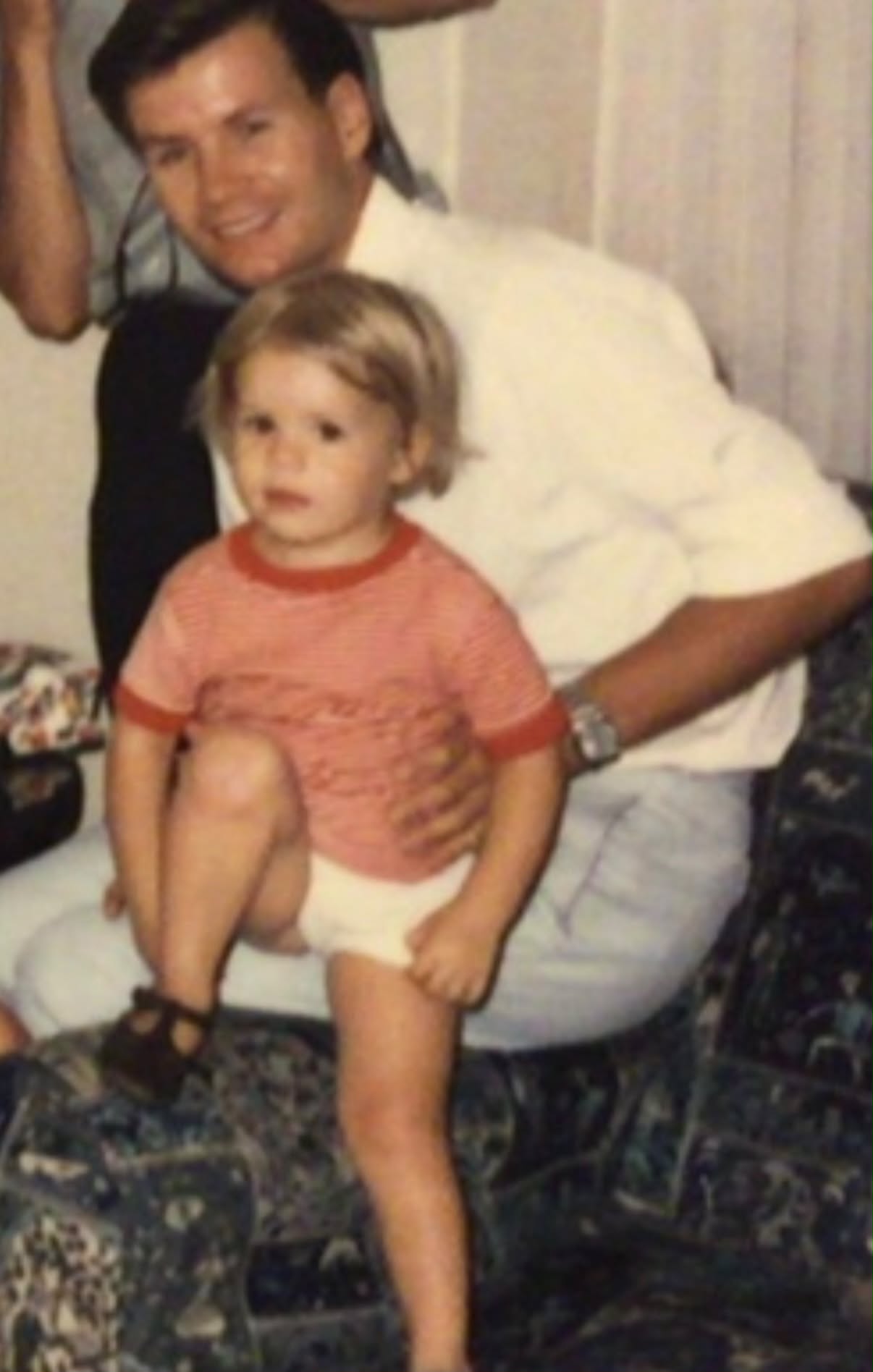
Frank and Jennifer
It was six months before Frank’s body was found by a milkman, riddled with bullets, in a ditch near Luján, 45 miles out of the city of Buenos Aires. Initially, he was buried as a John Doe, but one police chief was determined to investigate further and eventually his real identity was revealed and the family were able to re-bury him at the British Cemetery in Chacarita, an event which none of his children were allowed to attend.
The Fifth Tree is a book that took Jennifer a lifetime to write as she tried to recreate a life with a handful of remaining faded and out- of- focus photographs as tried to keep the few memories alive that still burnt in her mind and her dreams. This effort has been worthwhile and the book has turned out to be profoundly moving, and we openly weep as we share her arduous journey. Her writing is almost brutally honest and open as she depicts the appalling vacuum such a disappearance created and the pain that followed, affecting everyone and everything around her. They say that the waves caused by the wings of a butterfly never ever stop and continue forever, and so it has been for Jennifer, throughout these 50 years.
Slowly Jennifer summoned the courage to break the taboo of silence in her family and start a thorough investigation into her father’s death on her own. It was not mere curiosity. It was also a survival tactic as she was feeling more and more lost in that vacuum of unspoken truths.
“You will read it in the book, that I was like a little detective, like a Nancy Drew, because I wasn't told anything about my father. ‘He was not taken’- They told us (my three brothers and I) that he had gone on a business trip. So, [when] I found a newspaper with an article that my father had been kidnapped. I'd ask my mother and she said: “oh, you didn't see that... So, my mother didn't talk to us. I [ had to] live in silence.
One of my therapists said: “why don't you get all this out about your dad, about, you know, your pain, your grief onto paper?” And so, I started writing in journals, just getting it out. Yeah. Excuse my expression, but it was kind of like a ‘vomiting’ all this out because I never spoke… in 2023, my brother gave me a folder with all the documents, the ‘comunicados,’ [communiques from the terrorists]) the telephone transcripts and all kinds of documentation.
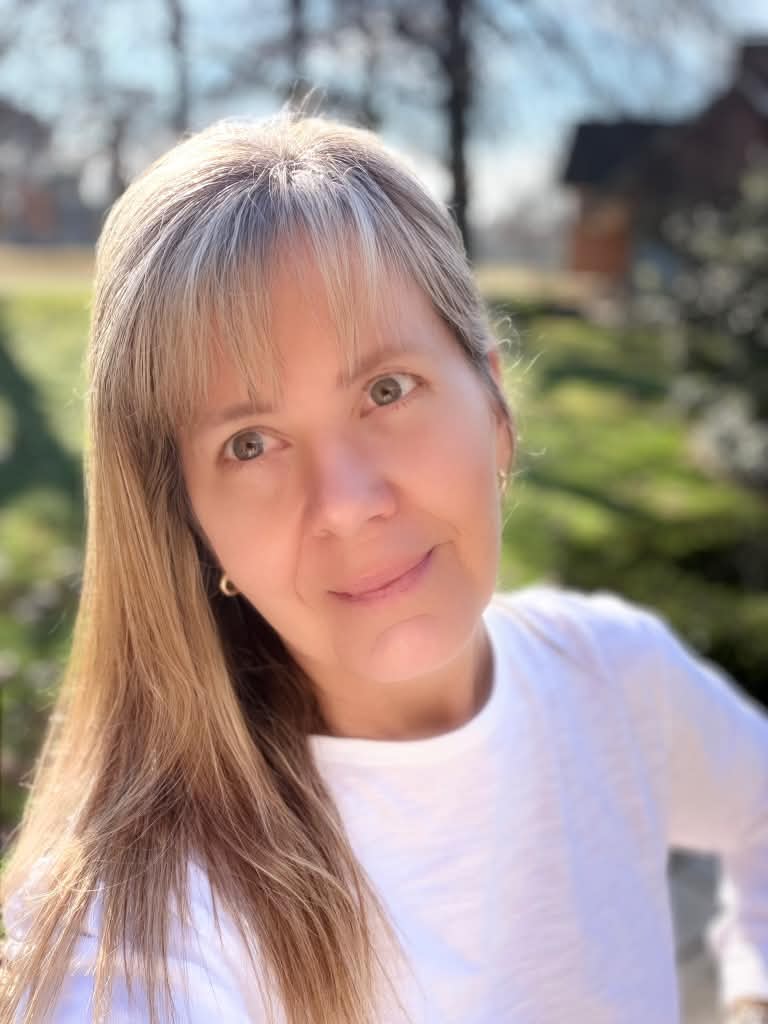
Jennifer Ingrey
At the same time, I went to a memoir retreat of a very famous author called Joyce Maynard. She's American, in Guatemala. I then hired a very well-known editor from California. His name is Stuart Horwitz. He read the very rough copy of my book and he said: “this is fabulous”. So, he helped me kind of, you know, create an arc of the book. There is no book like this of a survivor of that time. There's a lot written about the desaparecidos. But nothing about the other people. Because the desaparecidos were the terrorists that had been kidnapping people like my father. And the ransom? They were using it to fund their ideology. So, a lot of people told me: you need to put it out there.
With my last edit of the book, this is [me] putting the voice of my father out there. You know, and that's what I say in the book. And that's what I say in my presentation. I need the voice of my father to be heard. That is why the subtitle of my book is The Silence ends with me. It's all silence.”
I am not only talking about the men and women who were kidnapped, released, kidnapped, and tortured, and released, or kidnapped, tortured, and murdered. Because it was not only businessmen, it was, you know, anybody who had a bank account, that's who they were kidnapping. They were even murdering police.”
Jennifer and her family never knew and maybe will never know which group was responsible. No one claimed responsibility, neither the ERP nor the Montoneros: -
“My uncle was kidnapped by...? My mother's brother Charles was kidnapped by the...? My great uncle was, yes… kidnapped twice by ? When I used to speak to him, I read the ‘comunicados’ of the guerrilleros who were...? Yes. Or the phone calls. Their language was very similar. Yes, the language the terrorists used in the ‘comunicados’ you can read them in the book, with transcripts of the telephone calls.
“So, I plucked up the courage and said, okay, here we go. Now, my book has been translated into Spanish by a very well-known writer and it's going to be published in Argentina. Perfect. Through a very boutique [ publisher]. No big publishing house would take me. Because I don't know how much you know about the different presidents we've had lately in Argentina… the Kirchners [for instance] had a lot of Montoneros in their government. Completely! So, a lot of publishing houses were literally: “Oh, this is a wonderful book. We love it… But we don't think we can publish this book”. In a very polite way, they were saying, we can't do this right now. [They were] terrified.”
Despite the problems with the Spanish version, the book in English his doing extremely well in Canada, the United States, Mexico, the UK, Germany and even in Spain. But Jennifer emphasizes that money making will never be an objective: -
“So, it brings a lot of joy. [it is] my father's voice. In my presentation, I say, if one person reads my book then at least my father's voice, together with all these other men, is being heard. The truth is being heard. And also, this 10-year-old little girl who lived under this repression, under this fear, and helped me, right, who saw and heard things that no child should see or hear.”
Written from the point of the view of the child of ten that she was at the time, this poignant and moving account is a very important book that balances the books, as Jennifer says, bringing out the pain that the terrorists caused to so many, which, in Argentina, is where the silence now lies: no se habla de eso, with publishers in terror of publishing something that goes against the status quo.
Nevertheless, Jennifer Ingrey has brought out this book and it is a powerful memoir that now it’s time to talk about all aspects of that difficult period, not just from the point of view of the left- wing terrorists of the time.
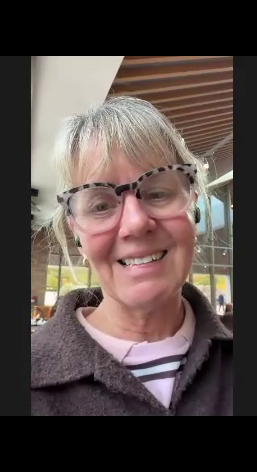
Jennifer Ingrey
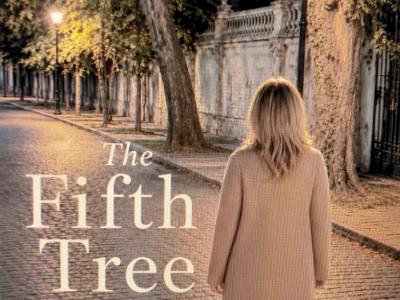
THE FIFTH TREE, The Silence ends with me, by Jennifer Ingrey.
Available online and Amazon:
ISBN 978969 1093898