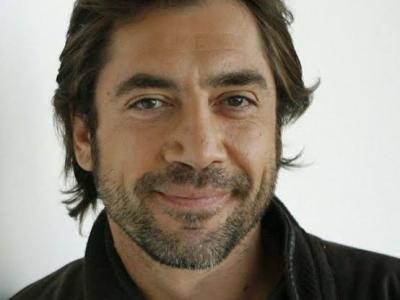
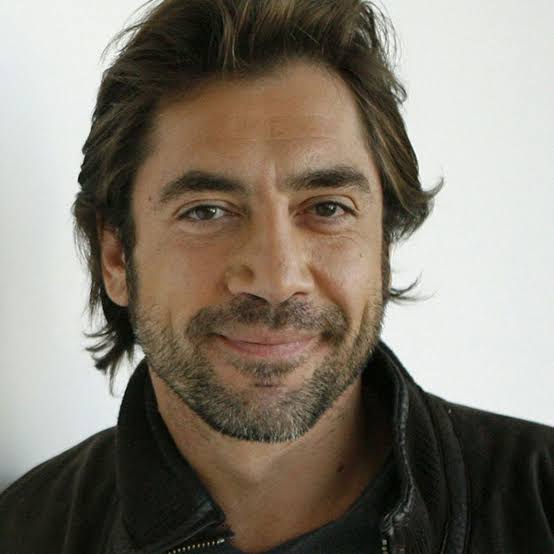
With María Delgado at her best asking an array of intelligent and probing questions, she opened up opportunities for an actor of the calibre of Javier Bardem to be expressive and insightful in how he prepares for his roles, finds the depth in his characters and ultimately works with top directors.
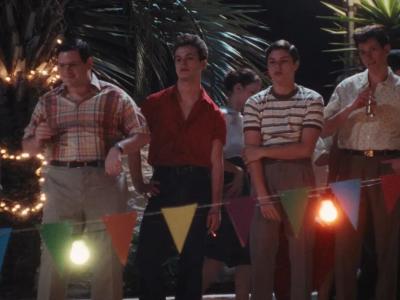
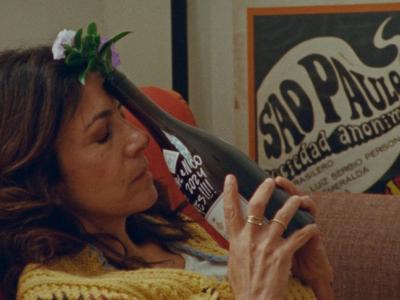
Having first appeared on our screens in 1992 alongside future wife Penélope Cruz in ‘Jamón Jamón’ directed by Bigas Luna, Javier Bardem hit the ground running getting his first Oscar nomination only a few years later for his role in ‘Before Night Falls’ (2000). However, international fame and stardom finally reached him when he won an Oscar for his chilling performance as Anton Chigurh in ‘No Country for Old Men’ (2007) directed by Joel and Ethan Coen.
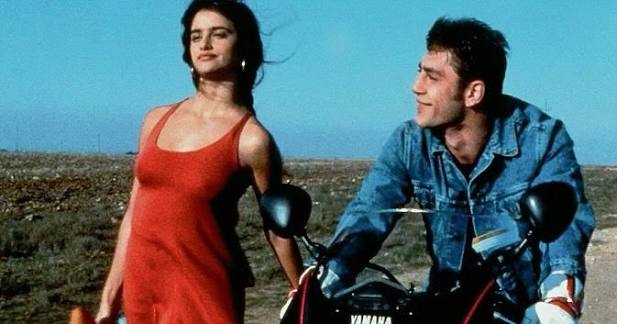
Penélope Cruz and Javier Bardem in Jamón Jamón
Not everyone has the commanding presence of Javier Bardem. He fills the room with his magnetism and the sheer power of his eloquence. People who discuss the importance of teaching Oracy in schools would find no better example that Bardem. A person who can express himself in a nuanced and succinct way, even in a language that is not his own. He is articulate and mesmerizing and his sense of humour seeped through in at all times. Despite being such a huge star, his modesty was very moving as he openly acknowledged that when you are in a movie “you are not working alone,” stressing that all filming is the result of intense team work.
This is the clip from ‘No country for old Men’ . The screenplay was adapted from Corman McCarthy’s 2005 novel. His co-actors included Tommy Lee Jones, Josh Brolin and notably at the scene in the clip: Gene Jones who plays the attendant at the service station where Bardem’s character stops to buy gas. Bardem is the villain, Anton Chigurh. A cold, methodical and merciless man whose choice of weapon is a captive bolt piston also known as a cattle stun gun. Bardem exudes such suppressed volcanic tension that you could have cut the air with a knife as he challenges the gas station owner when he goes in to pay and whose life ends up dangling on the toss of a coin.
“Half of the Oscar that I have is his, absolutely! He plays fear, insecurity, uncertainty …so beautifully that he makes the scene. I do my part, but he does the horror. He’s fantastic and that‘s why I said, ‘you are not working alone’. You need your partners, you need to create a moment of commonality, because no matter how little the role is, everything, everybody, is important.”
At the Screentalk, at this precise moment there was really big bang in the auditorium (we never discovered what caused it), but loud enough for everyone to jump, including Bardem: -
“Anton Chigurh is coming to haunt us!”
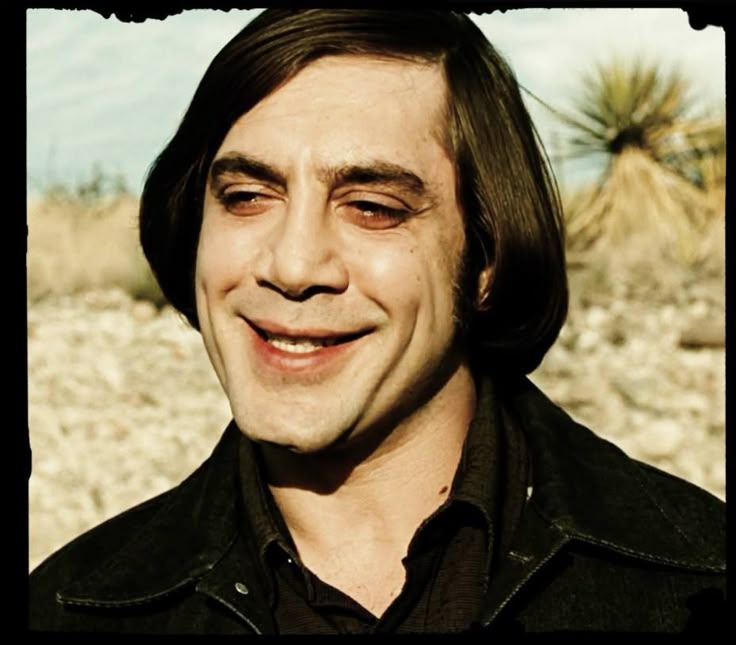
Delgado skilfully probed Bardem' s development of the character of Anton, feeling, as he does, like an alien with his stiff walk and inhuman attitude. Bardem explained that he and the Coen Brothers had to develop that character themselves: -
“ There’s no back-story for the character of Anton Chigurh in the book. We don’t know where he’s coming from, or going, or what he wants… ? And then talking to [the elusive novelist], I asked him a couple of questions that he answered very…because he doesn't… he's not… he was not a good talker, but the idea is, with the comments, we came up with this idea that he's a symbol of fate, bad fate, horrible fate, accidents, horrible accidents, so in order to embody that, you have to take out all the humanity of it, and just construct an image of somebody that doesn't have anything personal in anything that he does, so it was the opposite of what you would do as an actor, to deconstruct, to take out more than good.”
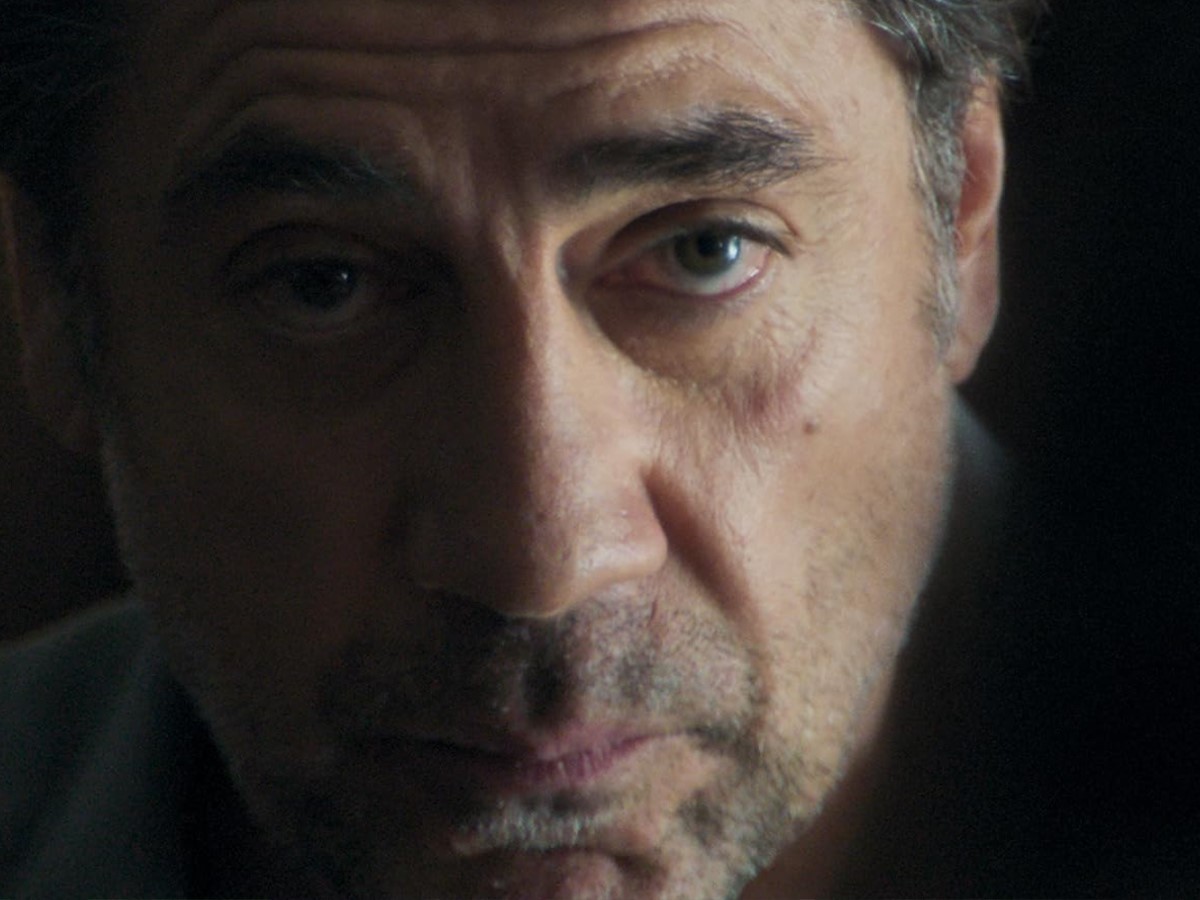
Bardem as Esteban Martínez in The Beloved (2026)
Bardem dwelt on the fact that words are key, how you say them and in what language as well, because people tend to have different body language or even mouth movements, according to the language they are speaking.
“It's a matter of surgery, like how to…I'm always saying this, but it's true, we are affected by words, because words have an impact on our system, because we have memories with those words, we have experiences… So how do you put the emotion, or the lack of emotion, into a language that you don't control, that doesn't have any personal, intimate effect on you because you haven't had any life experiences in that language? So, you have to do the surgery, like, okay, bring the emotion that that word means to you in Spanish, and put it into English. It's [intense] mental work, that it's hard to combine with the emotional work of an actor, but it's fine, it's challenging”.
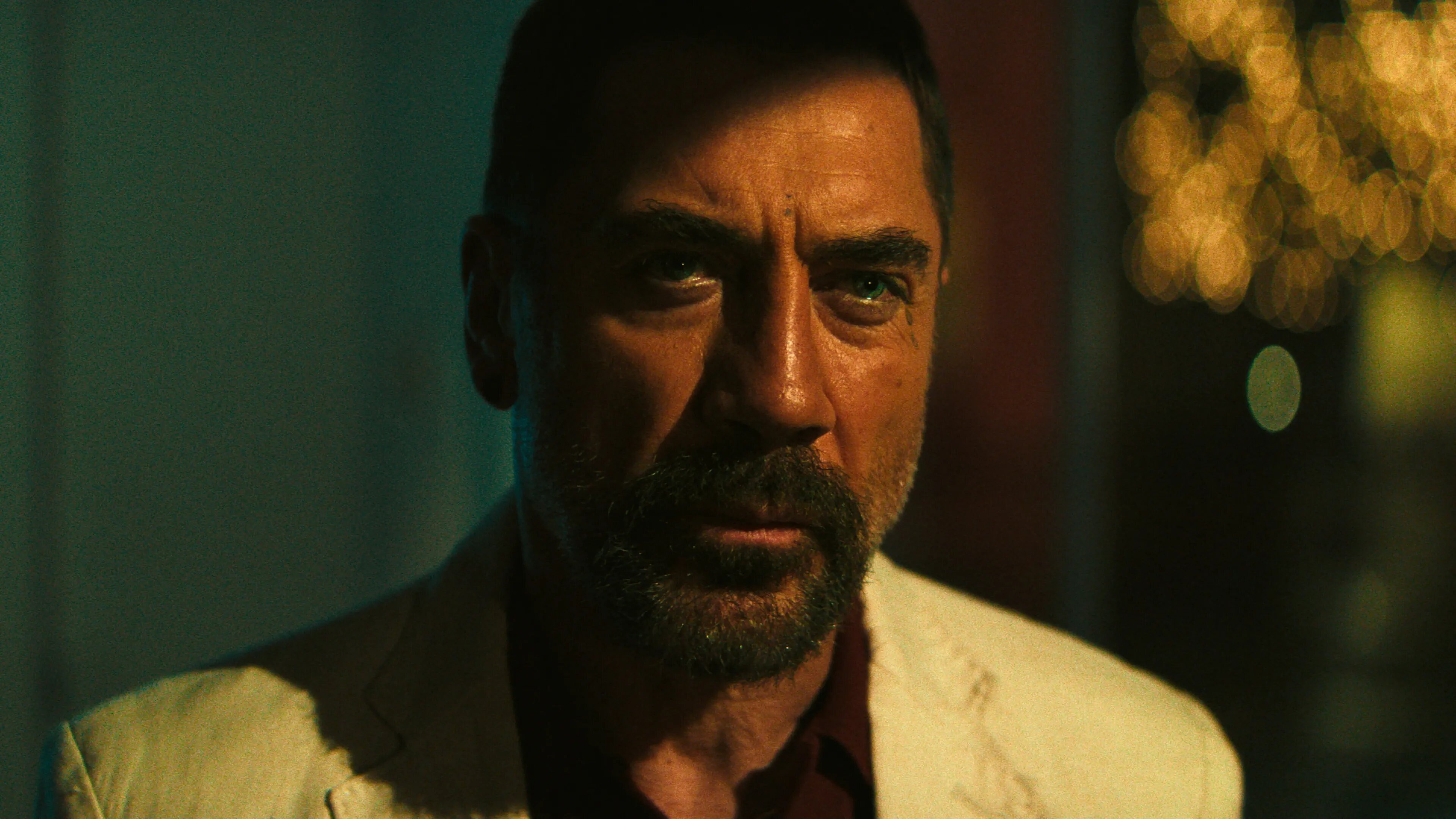
Bardem in Cape Fear (2026)
His advice to up and coming actors is quite succinct: –
“The goal is to really be able to get stronger, more secure and more confident within your own craft, knowing that every day, everything is going to be difficult and you have to overcome that, no matter what we do. Like, how do we achieve that? That's what makes you feel proud. Two is learn from things that go wrong. Yes, absolutely. I mean, like in life, I mean, there's nothing[ better]. Success is great and we all like to be rewarded and applauded and loved. Great. Next. Because that's, that's not common. That's not the goal. The goal is not that!”
From Horror to Comedy: -
“I just finished a comedy with Kate Hudson, who is a marvellous actress. She's so funny and she's so real. And it will come out next year.”
Quite a leap you would think, but Bardem has just starred with Kate Hudson in a romantic comedy called ‘Hello and Paris’ written & directed by Elizabeth Chomko and yet to be released. It follows an independent maverick architect (Hudson) and a best-selling novelist suffering a crisis, who share an encounter in Paris.

Yet it is the dark side of Javier Bardem that has gained an international reputation for being particularly chilling in his ability to create evil characters devoid of all empathy: from Pablo Escobar in ‘Loving Pablo’ (2017), the ghostly undead pirate hunter Captain Armando Salazár in ‘Pirates of the Caribbean: Dead Men tell No Tales’(2017), the vengeful Max Cady in the latest incarnation of ‘Cape Fear’ (2026), following in the footsteps of Robert Mitchum and Robert de Niro, the flamboyant and skin-crawling Raoul Silva in Skyfall (2012), and now in ‘The Beloved’ ( 2026) where he plays a terrifying film director, Esteban Martínez. who torments and humiliates his daughter whom he has cast in a lead role.
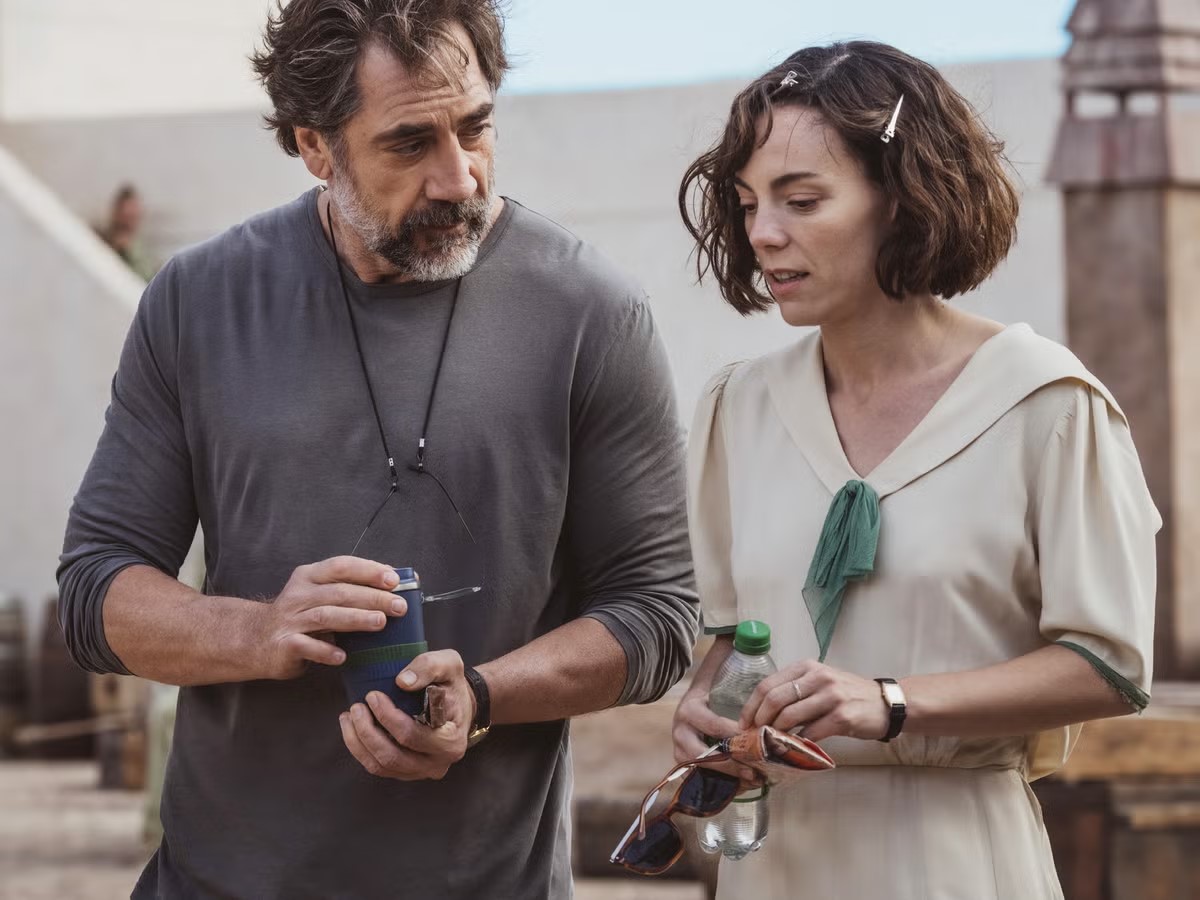 Bardem with Victoria Luengo in The Beloved ( 2026)
“It's funny, because when I find these characters, most of the time they are way more satisfying to play than the good guys. They are more complex in the sense of contradictions, and I find it more exciting to navigate those characters, because you also have to find the humanity, and something that you can relate to, so the audience can go: ‘Oh, okay, I never thought of it that way’. It's more challenging in some ways than playing good, ethical characters, which is like, okay, there's one colour to play, and that colour I love. When you play Pablo Escobar, who was a monster, obviously, also, there is a moment where you have to find your way in, in order to understand why he became the monster, and that's fascinating.”
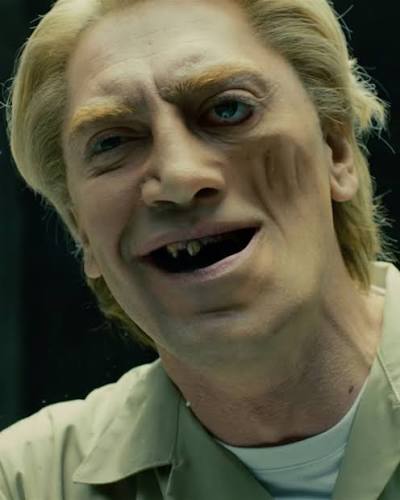
It is not always generally known that Sam Mendes had to fly out to Spain to persuade Bardem to play Raoul Silva in ‘Skyfall’, for Bardem had turned down the role. Bardem admits he was overwhelmed to be asked to be in a James Bond Movie, and with Judi Dench! But he felt the character needed more complexity: -
“I said, listen, all the villains have done everything to destroy the world, but what about becoming personal? What about something that, besides destroying the world, wants to have sex with Mr. Bond… I think it's one of the scenes that now lasts in the memory of the audience. It was in the script, but we went a little bit farther with it, because it's a way to say, okay, how do you really put Mr. Bond out of his place, in a moment, with a situation where he hasn't been there before? And the way he comes out of it is brilliant.”
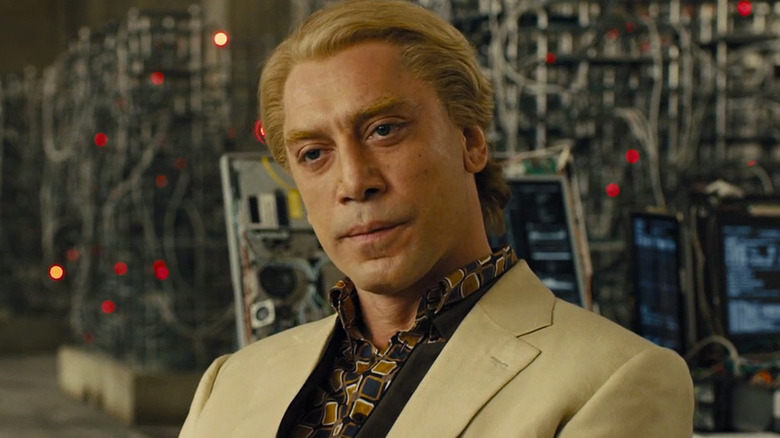
The physical appearance of Raoul Silva also became a cause célèbre in the movie. Much as the dreadful hair-cut in ‘No Country for Old Men’. Here you had a man who was disfigured, so to bring him to life, they introduced the blonde wig, the extension of the chin and the change of his eye colour: -
“It's a man who is really trying to look good in the world, but he's rotten inside.”
In ‘A Good Boss’ (2021) by Fernando León de Aranoa, Bardem plays the unflinching ruthless company boss desperately trying to keep his excellence award, in ‘Goya’s Ghost’ (2006) by Milos Forman, he’s the inquisitor Brother Lorenzo, as in all his movies Bardem has the ability to inhabit the characters so much that you cannot imagine him being any other way- till the next time that is!
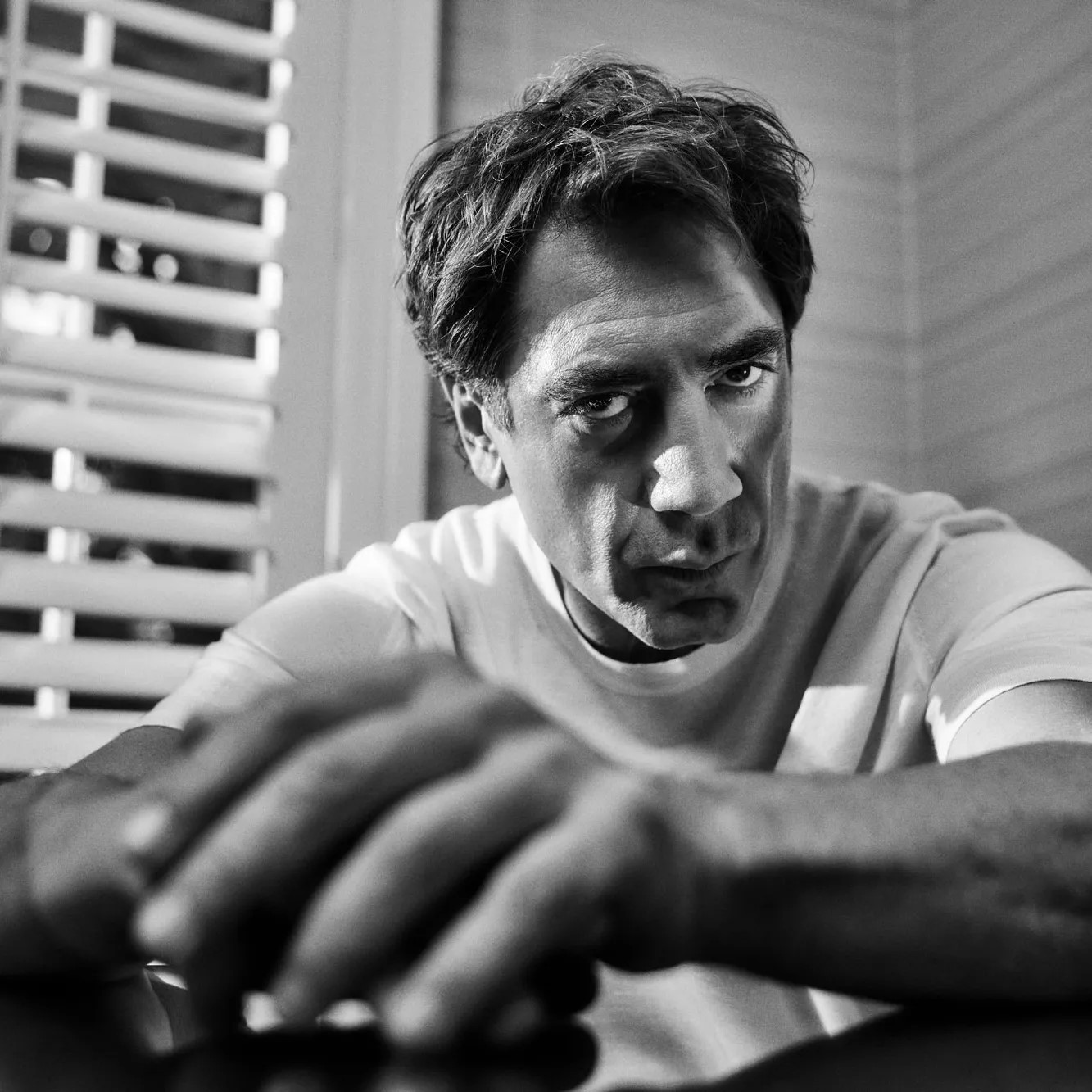
Javier Bardem in Dune: Part 2
Bardem describes the experience of being an actor : -
“It’s the joy, it’s the gift of our job, it’s the moment where you have to put yourself in a situation where it’s absolutely unknown. It’s a new one, which is the great gift of this job. It pushes you to go and feel the world, and see the world with different views with different eyes, and then explore and see what happens to you sand how you relate to that. How that affects you and how can you affect that? It is way of growing up externally as an actor, but also internally as a being. It’s a great gift.”
Bardem is cautious when describing his experiences with the different directors and their widely different styles of direction. One detail however, amused him, when Rodrigo Sorogoyen (The Beloved) commented that when Bardem was on set playing the film director, Esteban Martínez, he was giving commands to the crew that Sorogoyen felt were better than any he had thought of himself!
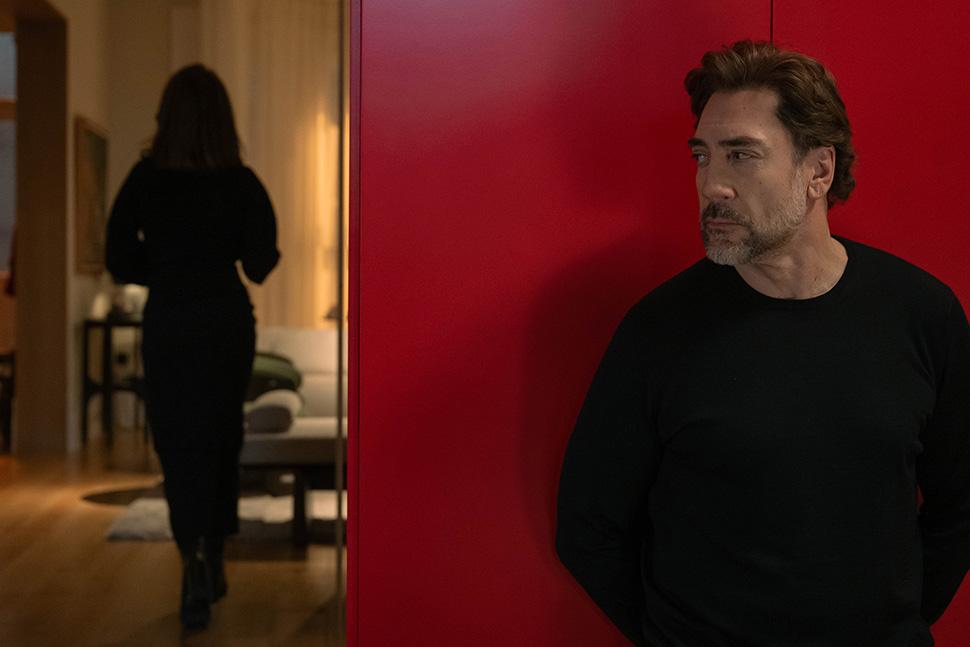
Bardem with Penélope Cruz in Bunker (2026)
Yet Bardem has shown no interest in being a director although he has worked as a producer, having produced “Thy Kingdom Come’ (2018) a 43- minute project directed by Eugene Richards and Greenpeace works like ‘Sanctuary (2019)’. Most of the time, he finds himself sufficiently absorbed playing the character roles, which sometimes affect him personally: -
“Funnily enough, in ‘The Beloved’, [Esteban] is a man who can't say I'm sorry. And the damage that that creates in his family, in his daughter, in a way… (he sighs) because I am the opposite. I believe strongly in therapy. I've been going to therapy since I was 25- years- old. And I ask, why he didn't say I'm sorry? Well, there are many people that cannot say I'm sorry … they were not taught when they were little to say I'm sorry. And the damage that it creates! So yeah, sometimes it's difficult to wrap your head around it… Esteban's very used to getting his own way, he's coercive and he's charming. Yeah. Yeah. I think it really shows a kind of masculinity that is my masculinity, the sense that I am 57 years old and it was the one that I was born into. This idea of masculinity of showing power and imposition, force and strength rather than vulnerability and this idea that they don't need anybody. They are capable of doing everything by themselves.”
The privilege of being actor is something that Javier Bardem recognizes at every turn. He is aware of the power of film and takes on that responsibility, giving his all every time believing that what he does is force for good.
“Art is a way for us to help to understand the world better. Absolutely. And I also think, it's one of the reasons I love ‘Biutiful’ so much, is that I think actors, directors, they're the conduits that help us on that journey, as audience members to think about the world we live in. Art is one of the great ways that we are encouraged to reflect on the world and to reflect critically on the world. Also, to feel the experience, rather than thinking about it or planning about it. To have this experience and then you go: Oh okay, I didn't think it was that way, but you felt it rather than thought about it.”
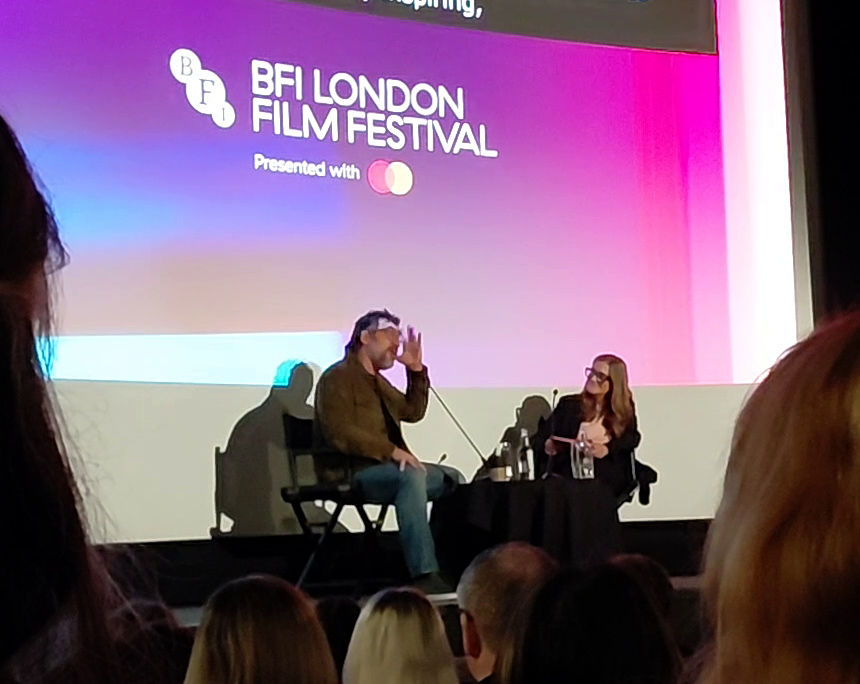
Javier Bardem and María Delgado at the Curzon Soho for the Screentalk as part of the BFI London Film Festival.
Javier Bardem is appearing in ‘Dune: Part III (2026) playing Stilgar, the leader of Fremen tribe at Sietch Tabr directed by Denis Villeneuve to be released later this year. It will be at the IMAX and general release from December 18th 2026.
Another Christmas treat to look forward to.