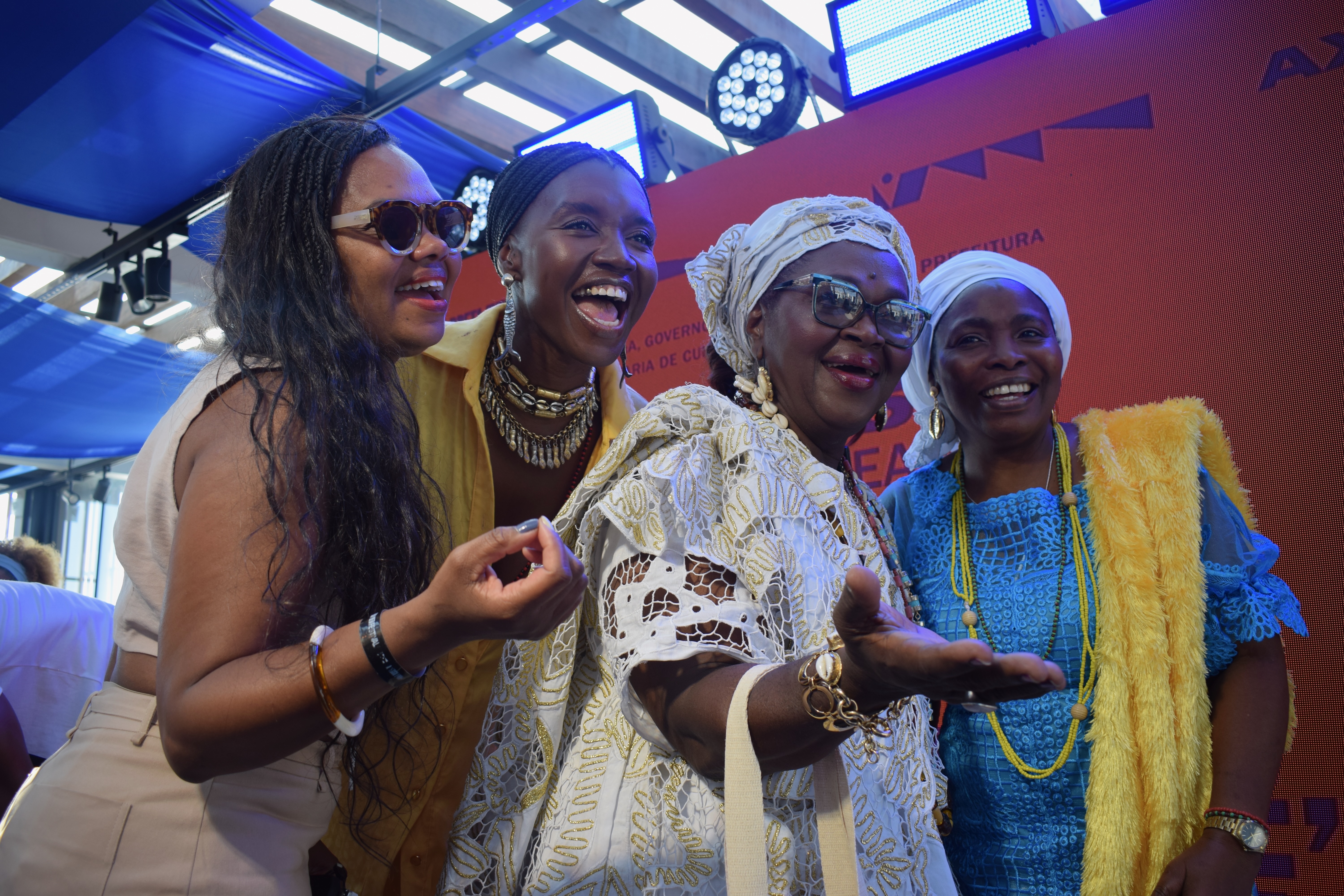
The colours of Africa are ever present in Salvador de Bahia, Brazil’s hottest tourist destination. Visitors come for the paradise beaches and food, but are quickly drawn to the city’s cultural riches. Here, 80% of the population identifies as of African descent, earning Bahia the title of “the sixth region of Africa”. Centuries after the first ships of enslaved peoples arrived on Brazil’s northeastern coast, their memory endures.
That legacy is visible everywhere: in the markets where piles of dried shrimp and chilli are stacked high; in street porters balancing impossible loads on their heads. It’s present in the fashion — a glorious blend of African prints, natural curls, boho beachwear, bold jewellery and tattoos — and in the white-clad priestesses interceding with the orixás, the Yoruba deities who guide and protect.
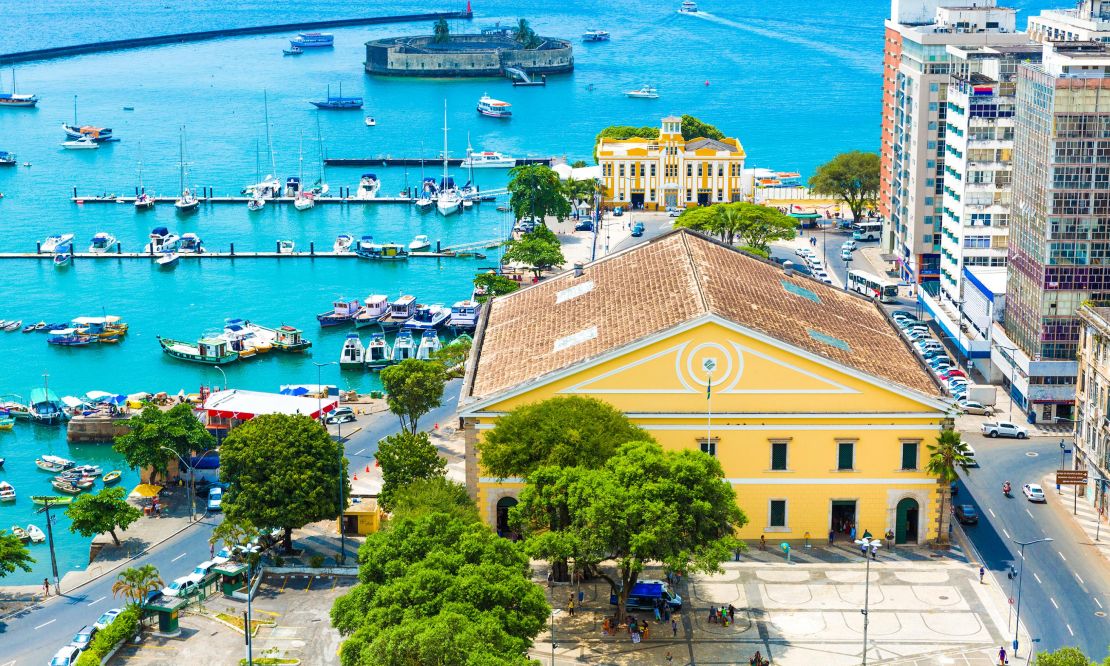
Beachside neighbourhoods are alive with bars, musicians and artists; the crashing sound of the Atlantic mingles with Afro-Brazilian rhythms — echoes of the motherland in a city thousands of miles away.
Salvador’s geography mirrors its history: the Cidade Alta, with its pastel colonial houses, sits above the Cidade Baixa, the old port and trading hub — the two connected by the giant Lacerda Elevator, a modern replacement for the steep routes once navigated by enslaved Africans carrying goods between port and centre.
The Black money movement
As a Black British woman of African descent, I am greeted like a long-lost daughter. The locals’ acceptance of me is immediate and deeply moving. No interaction begins without a warm “Tudo bem?” and everyone quizzes me on where in Africa my family is from, what religion we practise, and my opinion of Brazil.
Their easygoing welcome hides a deeper contradiction. Salvador’s Black population has been the city’s creative engine for centuries — producing the music, food, fashion and spirituality that define Bahia — yet was historically excluded from the economic rewards of that culture. Black people make up more than 85% of the unemployed and face disproportionate challenges in terms of education, literacy and exposure to crime.
Community leaders are attempting to change this through initiatives such as Salvador Afro Capital, which aims to position the city as Brazil’s leading centre for Afro culture and creativity. One of the most prominent figures in this movement is Adriana Barbosa, who 20 years ago founded Feira Preta, Latin America’s largest festival celebrating Black innovation and entrepreneurship. Once derogatory, the term ‘preta’ has been reclaimed as a proud marker of identity.
With sponsors including Nivea (whose area features treatments by blind masseusses) and the British Council, this year’s edition — its first on the beaches of Bahia after two decades in São Paulo — felt like a homecoming. Adriana told me the move felt as though it had been “guided by an ancestral blessing”.
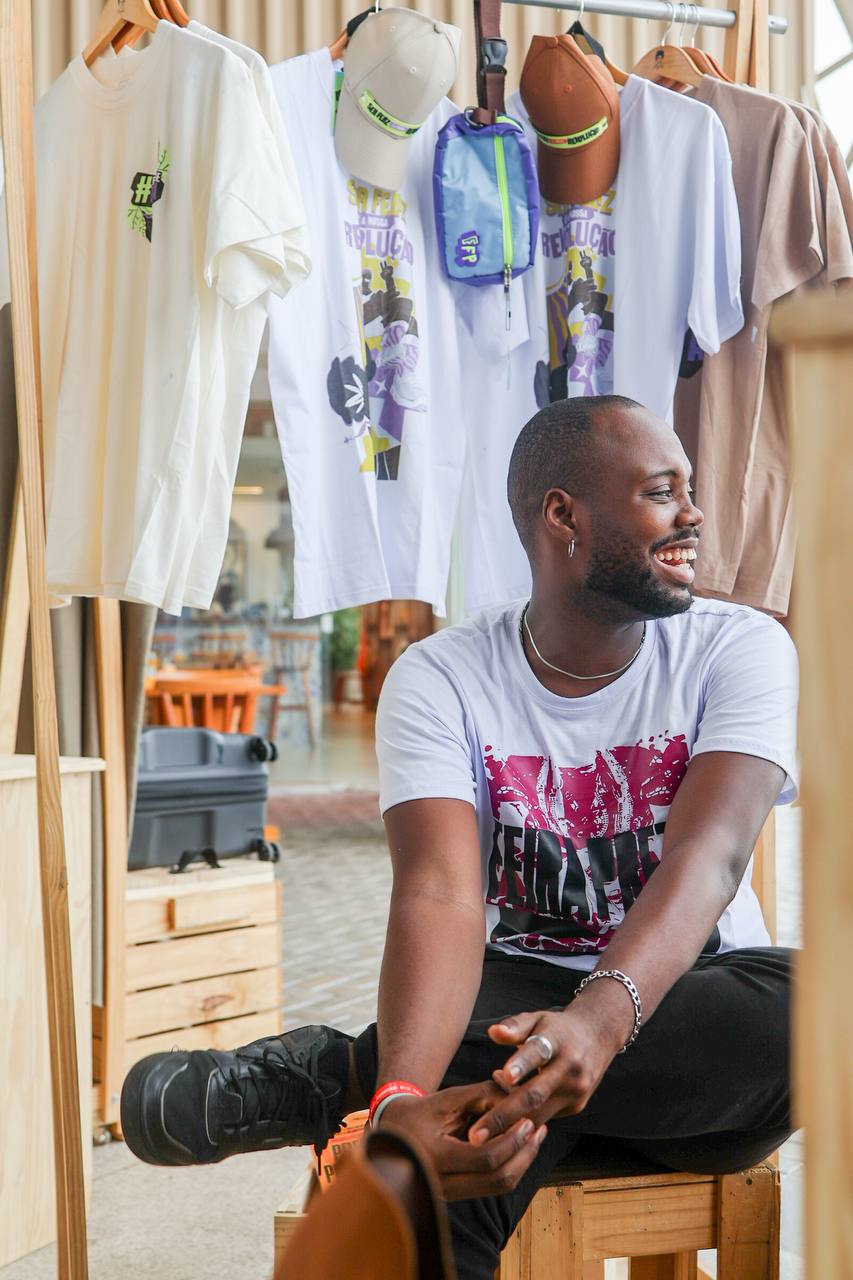
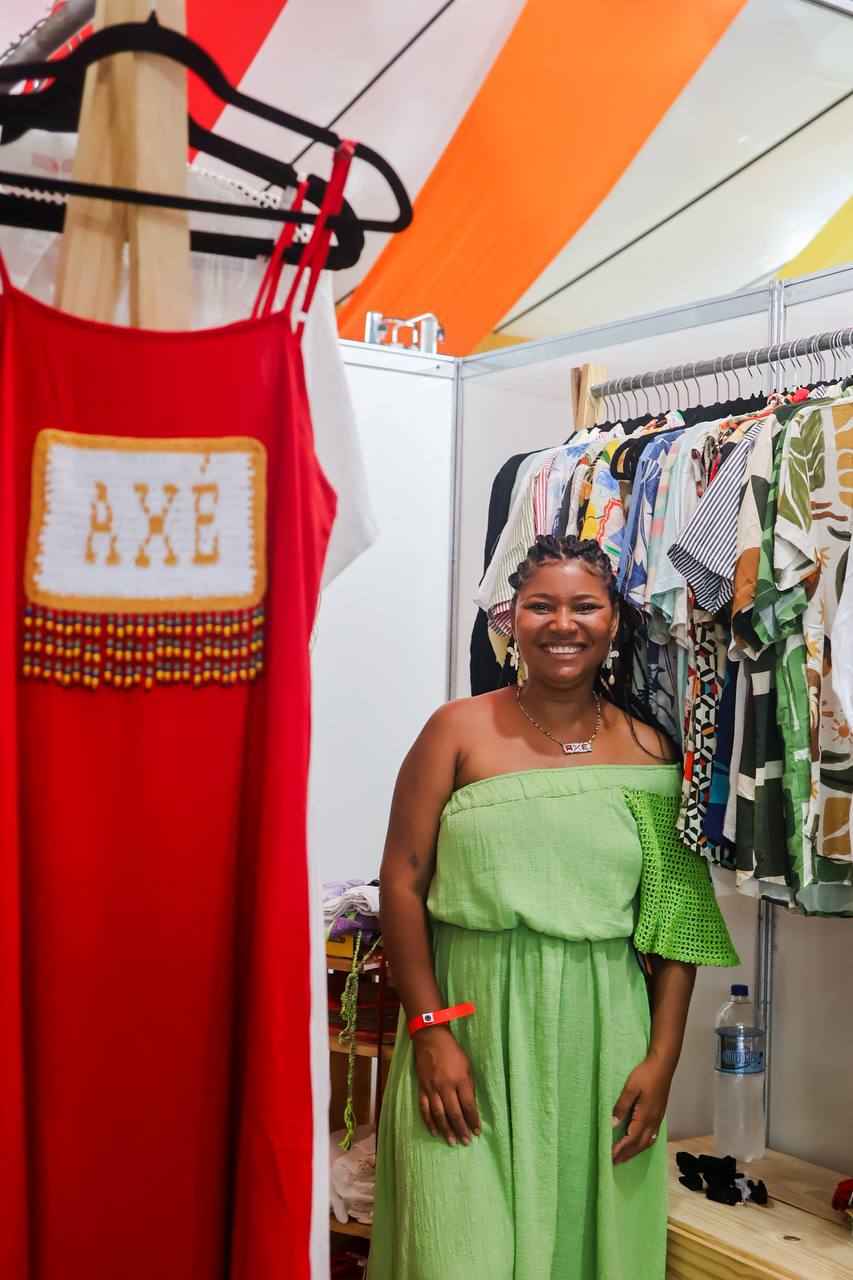
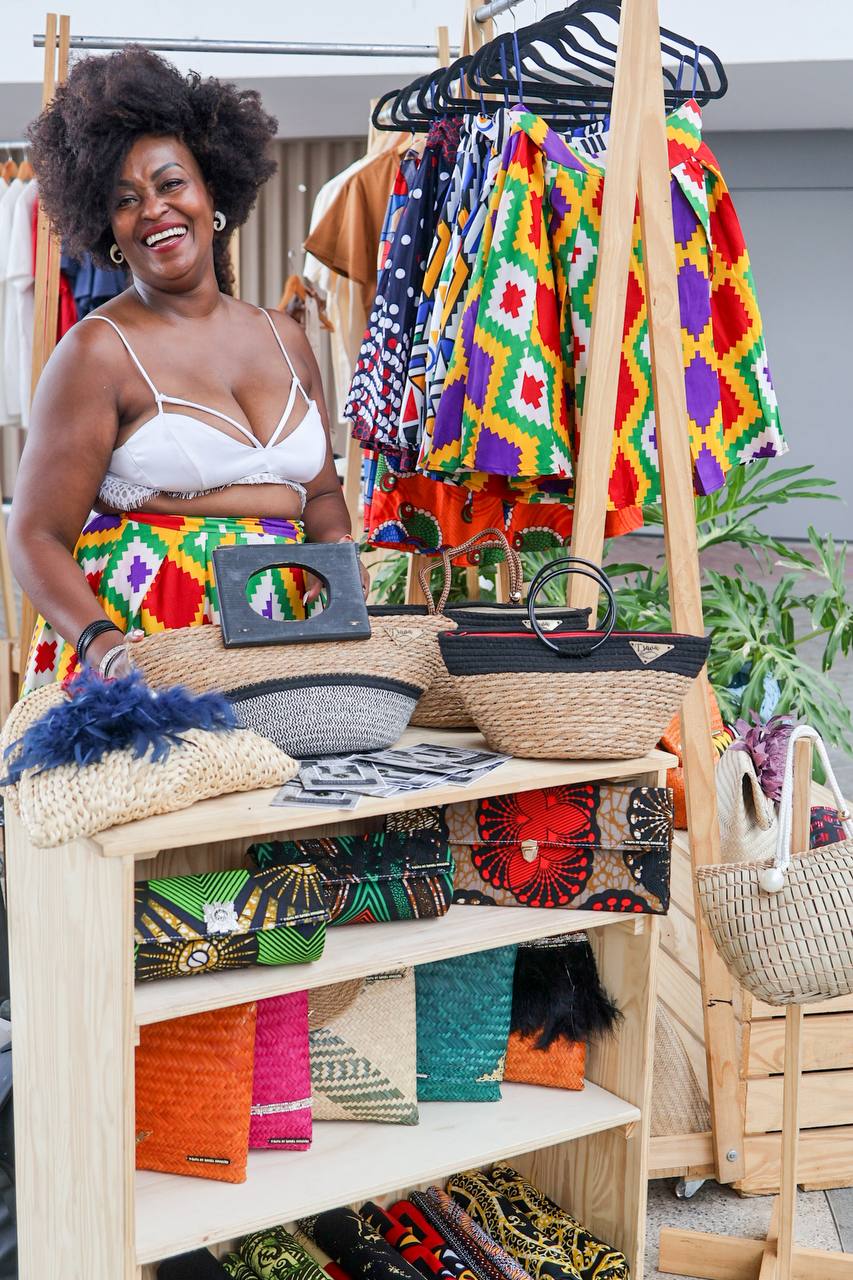
Market stalls showcased more than 100 Black-owned brands selling dolls, handmade jewellery, clothing and natural hair products. I left with a Black doll for my newborn niece and a T-shirt for my teenage son. In the food court — curated through Feira Preta Cria Gastronomia Salvador, a programme supporting emerging chefs — I tasted jollof rice that would bring tears of envy to both Nigerians and Ghanaians.
 |  |
 |  |
Of course, a major element of the festival is the live music. In Salvador, music and dance is lived and breathed every moment and it is no surpise that most of Brazil's best and most popular artists come from Bahia, from legends such as Gilberto Gil, Caetano Veloso, Chico Buarque, Joao Gilberto and Maria Bethania to newer stars such a Daniela Mercury, Carlinhos Brown and Luedji Luna. All these plus artists such as acclaimed writer Jorge Amado, poet Castro Alves and even the current Oscar nominated actor Wagner Moura all came from Brazil's cradle of cultural civilization.
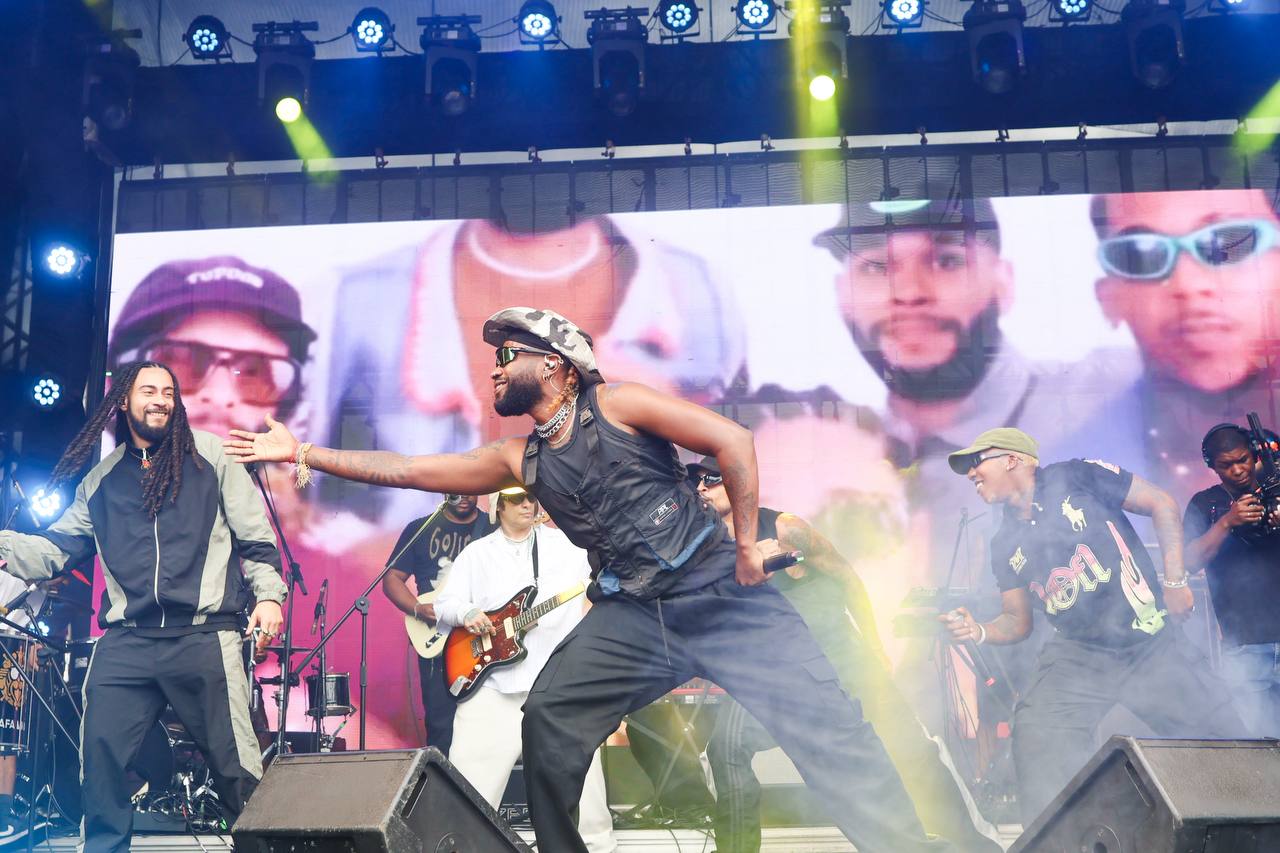
In the afternoon, audiences were blessed with a special UK-Brazilian collaboration. The British Council, which supports the festival, helped LatinoLife take UK-Angolan rapper Broken Pen to this year's edition to collaborate with percussion-fuelled funk-punk outfit Afrocidade. Arriving 3 days earlier to rehearse with the band, a slightly nervous Broken Pen was immediately put at ease by the Bahian bandmembers, and gobsmacked by the warmth and openness of the musicians.
"The experience was the most important of my career," Broken Pen said later. "The level of musicianship is insane, and yet despite (or perhaps because of) this the band members were so generous with their knowledge. I was only supposed to perform a song with the band, and they ended up putting me in every song. Honestly I didn't want to leave. It has been a massive inspiration for me musically and professionally."
Jose Luis, who accompanied Broken Pen on his journey, elaborated: "the musical environment in Bahia is very different to London, where musicians are quite wary of the commercial environment or what they think is a ruthless industry, and can end up being (understandably) guarded about their work. Here people are making music for the love of it, very freely, without so much caution or expectation, and I think that is why the quality is so high, because this attitude liberates their creativity."
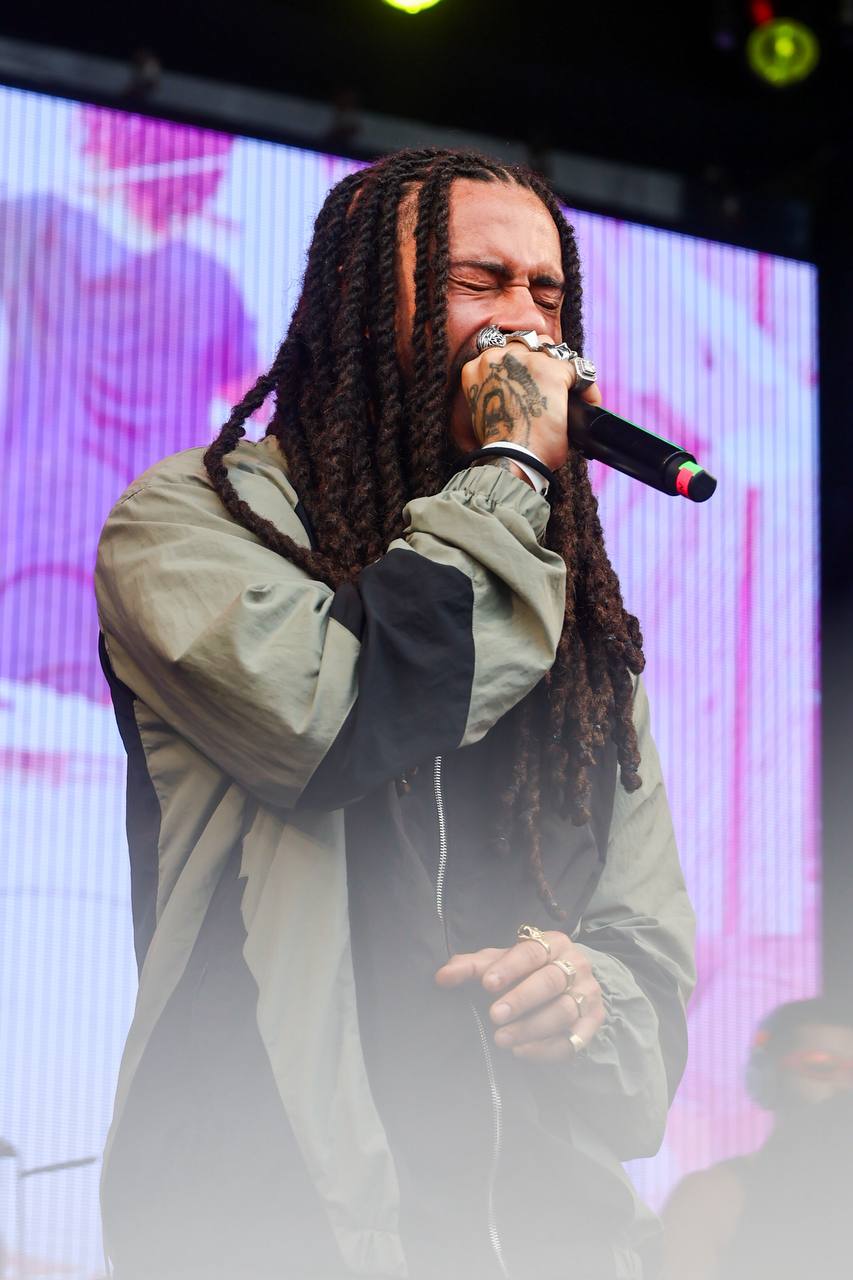 |  |
The audience was equally curious and receptive to the English Angolan boy with his London swagga and lyrical style and tracksuit zipped to the top. Broken Pen laughed, "You know what? I'd never even worn flipflops before I came to Bahia!" Now he certainly owns a pair.
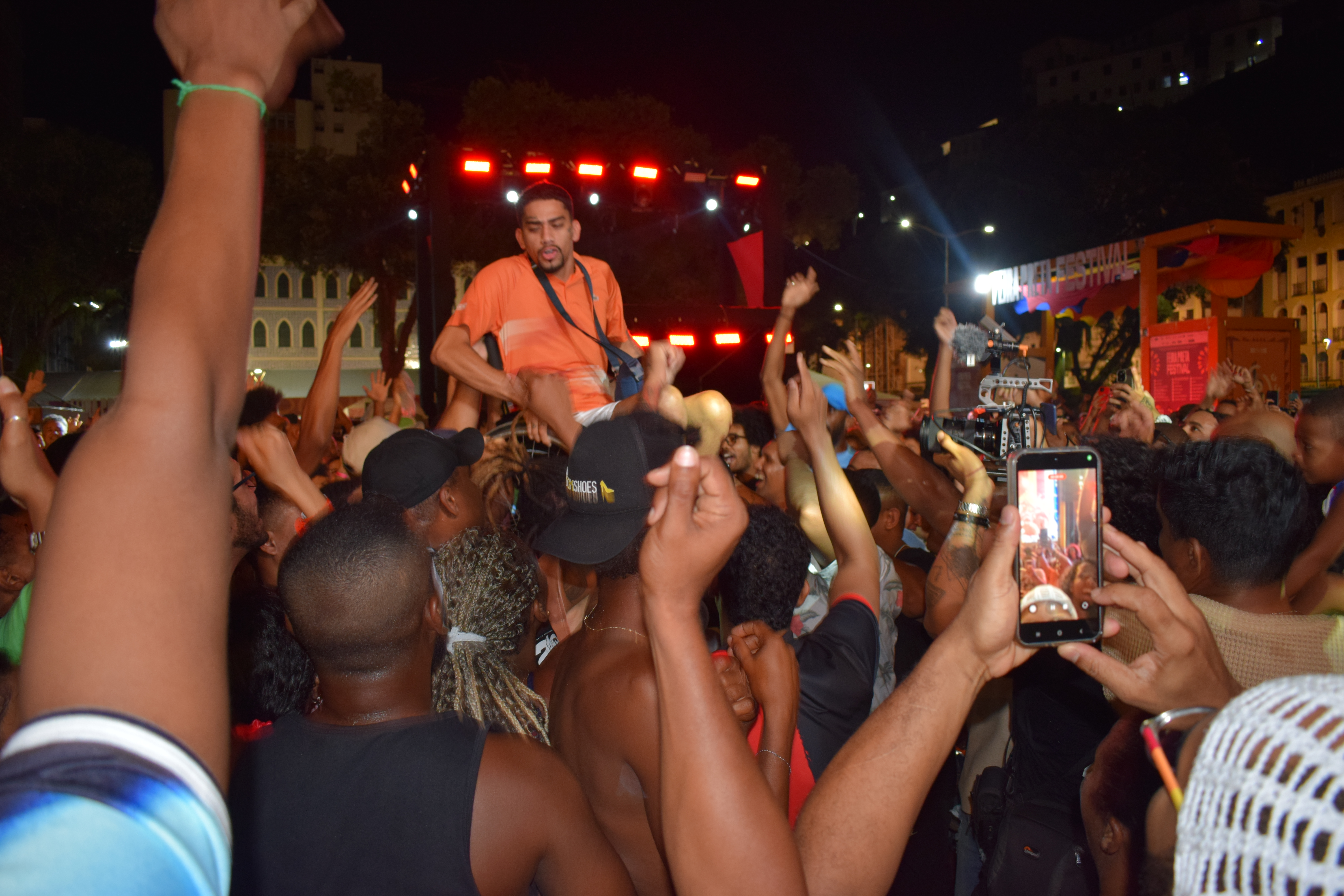
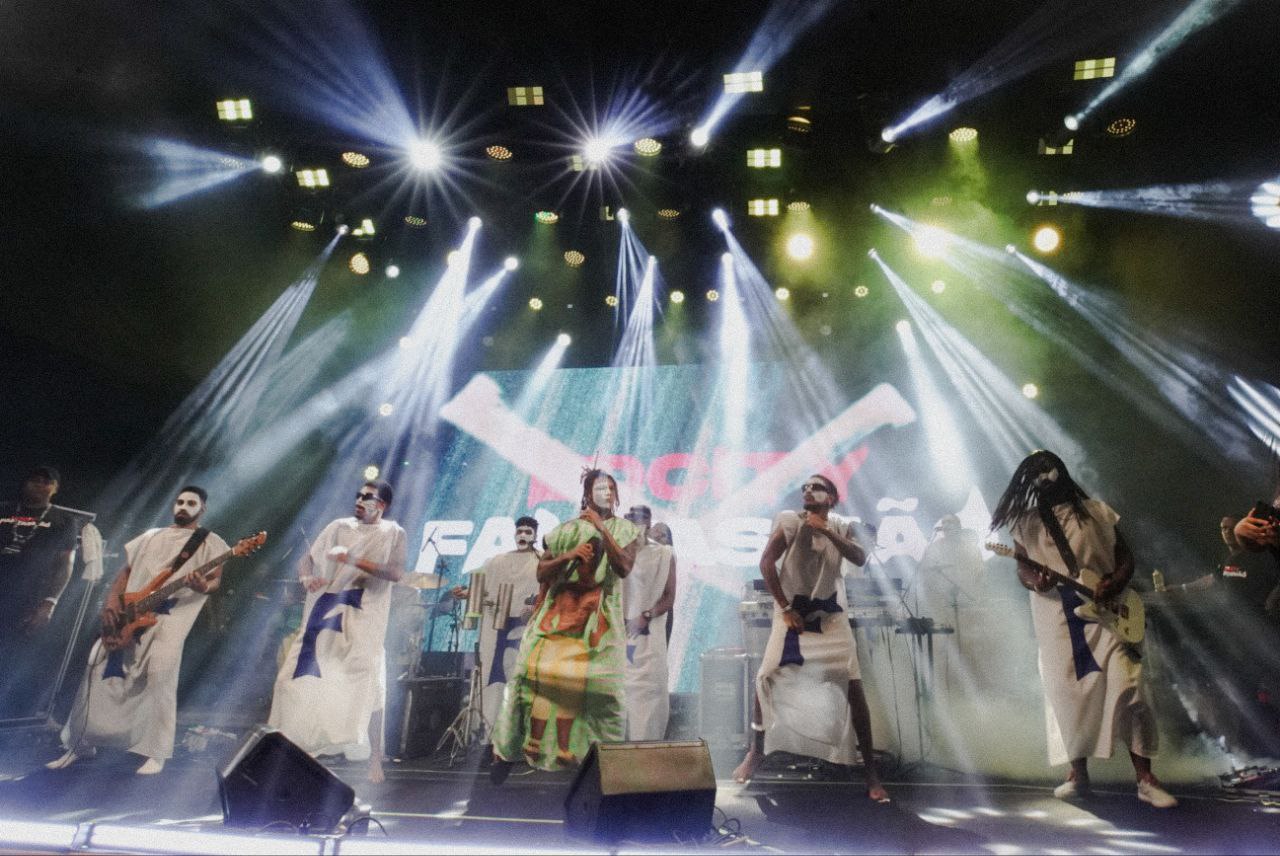
The birthplace of Axé and samba-reggae, it was pagode headliner Edcity and Fantasmao that let the crowd loose as dusk fell. The energy, the vibes, the pure musicality and rythmn, and the extremely charismatic leadsinger (Edcity) with half-white painted face, cloaked (literally) in unabashed political discourse, was a fascinating treat. The uniquely Bahian pagode beat was hypnotic - think Afrobeats meets heavy metal band - and impossible not to dance to for the entire set. The crowd felt the same and were totally smitten; at one point Edcity flung himself into the crowd and, while at the mercy of his fans, ordered them to lift someone in a wheelchair up. The chosen wheelchair user ended up crowdsurfing on top of the bubbling sea of energy holding him up, while jumping in his seat. It was both heartwarming and electrifying.
 |  |
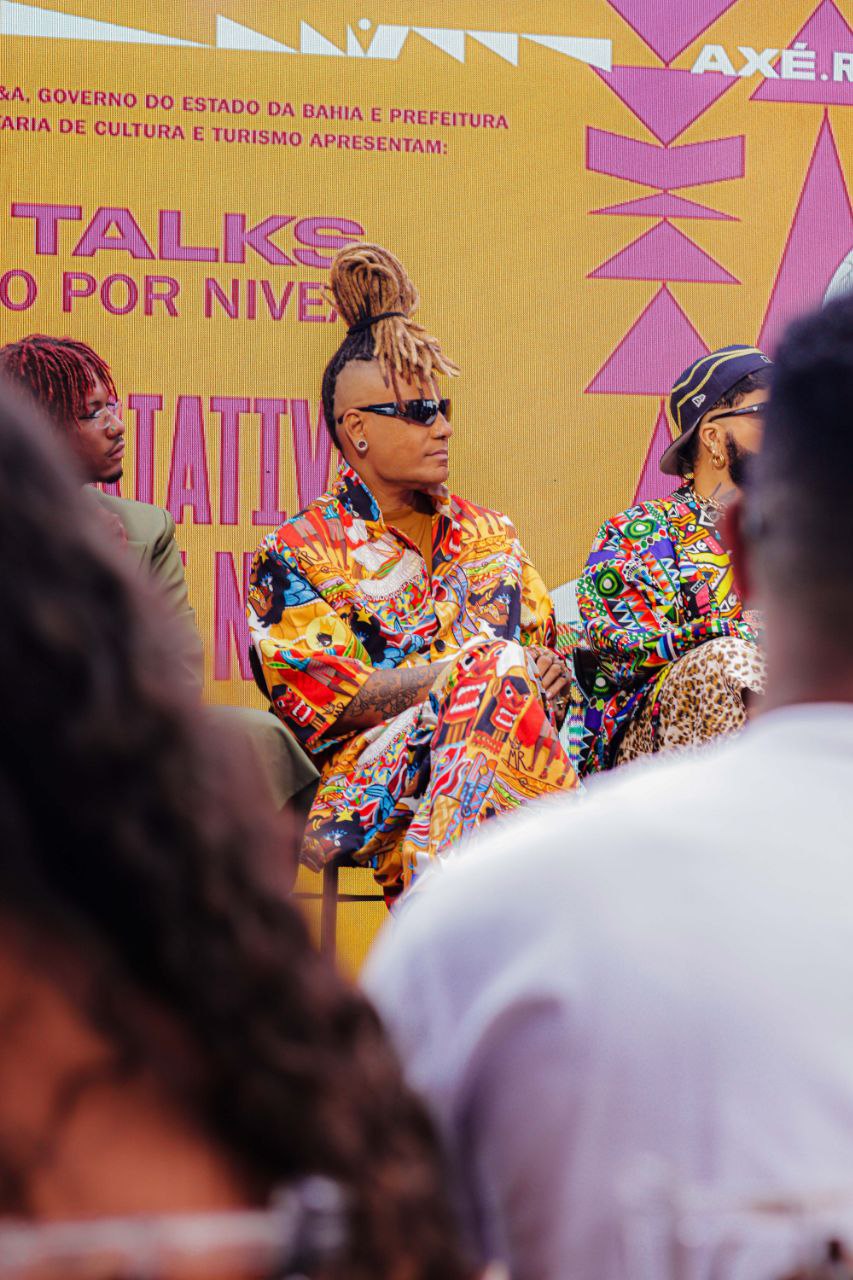
But Feira Preta is not just a celebration; it is a political and economic forum, shaped by a long history of racial and economic exclusion. The end of slavery did not guarantee the inclusion of Black populations in Brazilian society, nor did it secure access to civil rights. The 20th century was marked by continued struggle and resilience — a context that gives urgency to panels on investment strategies for Black businesses, the power of Black consumers, climate justice, and the linguistic ties between Yoruba and Portuguese.
One panellist, architect Bami Fayosin — born to a Nigerian father and Bahian mother — grew up in a favela. While her family emphasised the importance of education, at university she was struck by how architecture degrees prepare students to serve wealthy elites rather than communities like her own.
She later invited me to her studio, Casa de Maria, located between Boca do Rio, a favela, and Imbuí, a middle-class neighbourhood. The studio sits inside Casa Criollas, a community centre she renovated with three other women – a psychologist, social worker and dance teacher.
A living expression of Bami’s philosophy, the centre features dance classes for children and workshops on female entrepreneurship. Casa de Maria designs for both middle-income clients and those with fewer resources, grounded in the belief that dignity and design should be accessible to all.
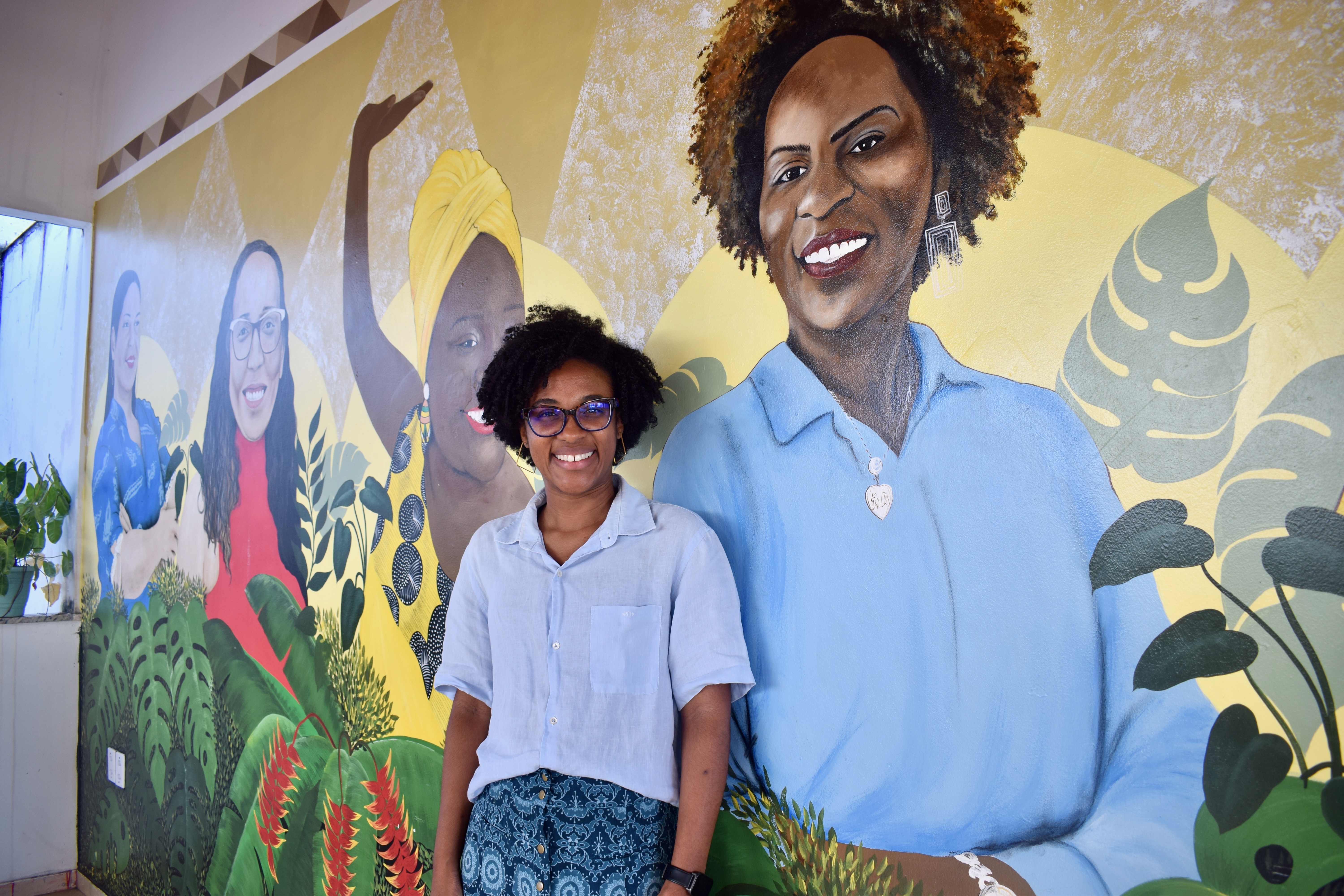
Even today, spaces for Black culture and economic life must be fiercely defended, Maria José Santos Oliveira told me. A university administrator and former researcher, Maria previously specialised in analysing gender-based violence and escrevivência — an Afro-Brazilian methodology that frames storytelling as an act of resistance.
As we walked through Feira de São Joaquim, one of the city’s oldest markets, she explained how local residents are organising against mounting pressures to gentrify.
This lesson was repeated when I attended a capoeira class in the Nzinga centre. The young Black students have trained together since childhood, and the session concluded with a talk emphasising that capoeira isn’t only a physical skill but a mental and political discipline — anti-racist, feminist and communal.

A Spiritual Reset
No institution has resisted more fiercely than Candomblé - the Afro-Brazilian religion that developed among enslaved people in 19th-century Brazil. Rooted in Yoruba, Fon and Bantu traditions, it survived centuries of repression and remains a pillar of Afro-Brazilian spiritual life. The most profound moment of my trip came during an encounter with Mãe Angélica, a respected Candomblé community leader.
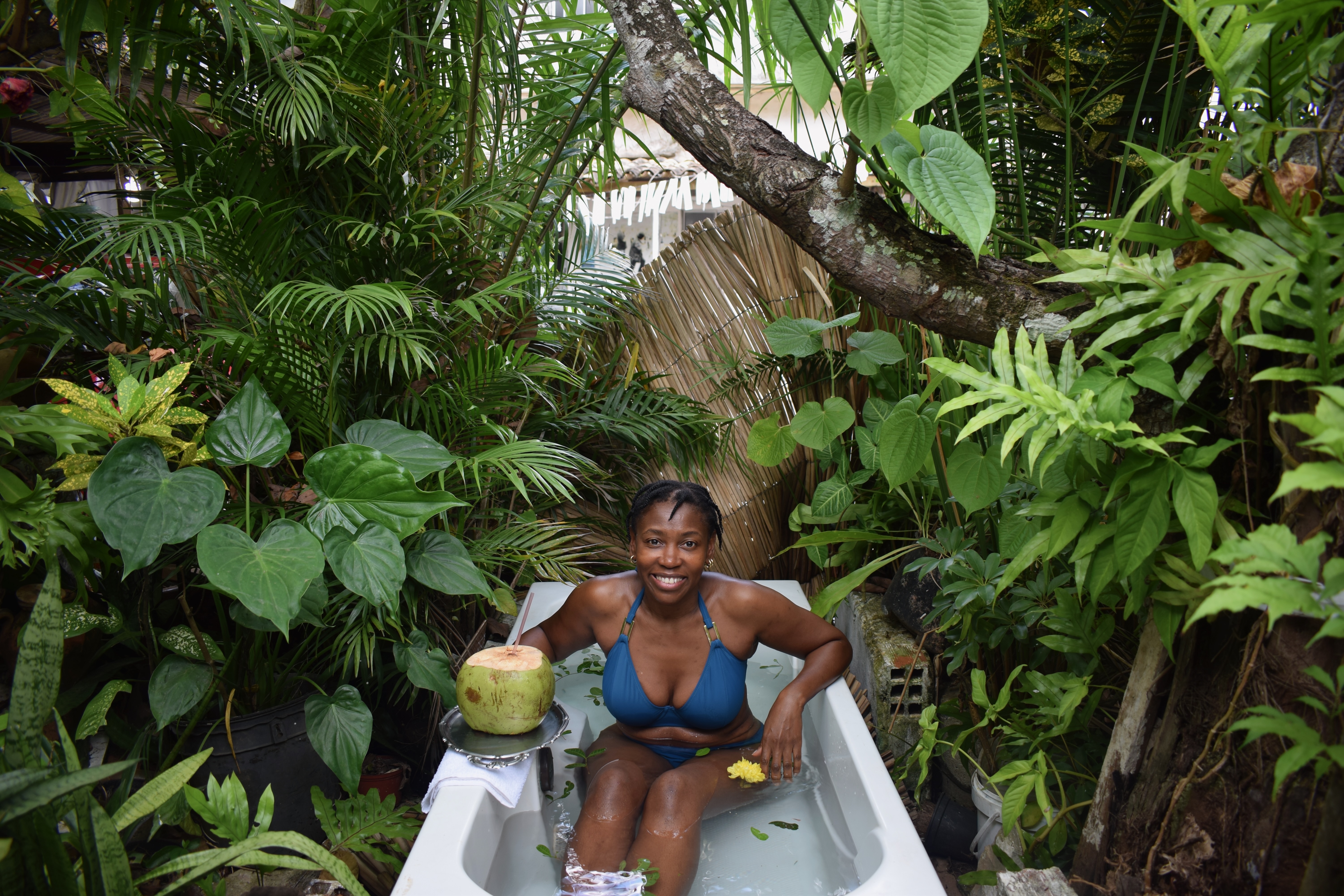
A Banho de Axé is a healing ritual using herbs, water, massage and prayer to channel axé — the sacred life force believed to sustain all things. Today, the ceremony is shared with any visitors who approach with respect and an open heart, including same-sex couples.
Mãe Angélica prayed, read cards, and interceded with the orixás — the deities of nature and human experience — asking for prosperity, health and courage on my behalf. To be welcomed into that sacred space felt like a rare privilege.
 |
Bahia stays with you — its rhythm, its softness, its pride, its generosity — so reminiscent of the African countries that I know. Salvador is a Black city, both spiritually and politically, deriving power from the memory of Africa, which is preserved, defended and mobilised by the community as resistance and joy.