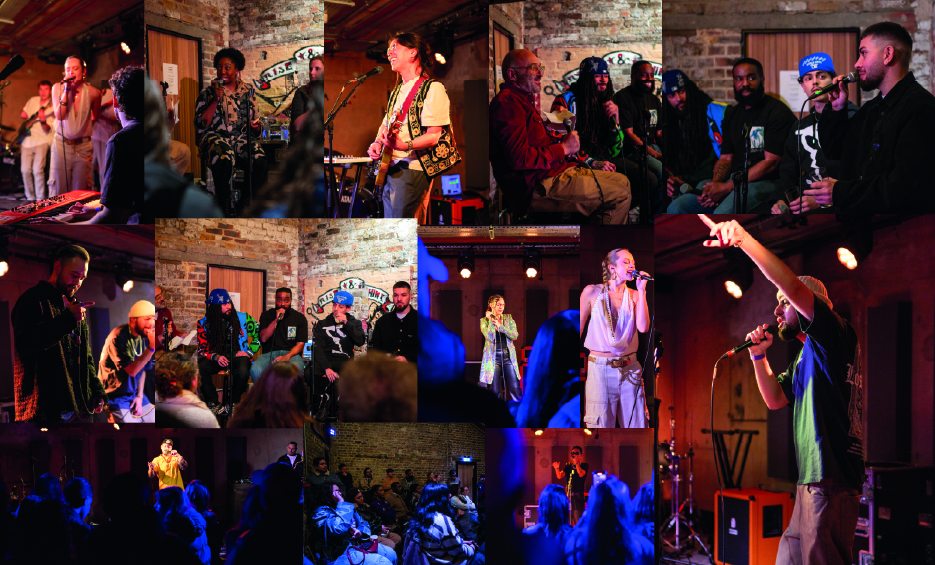
The Lower Third is a hidden gem within London’s music scene. Played by icons like Adele and Jeff Buckley while they were still unknowns, the unassuming bar is a birthplace of future celebrities.
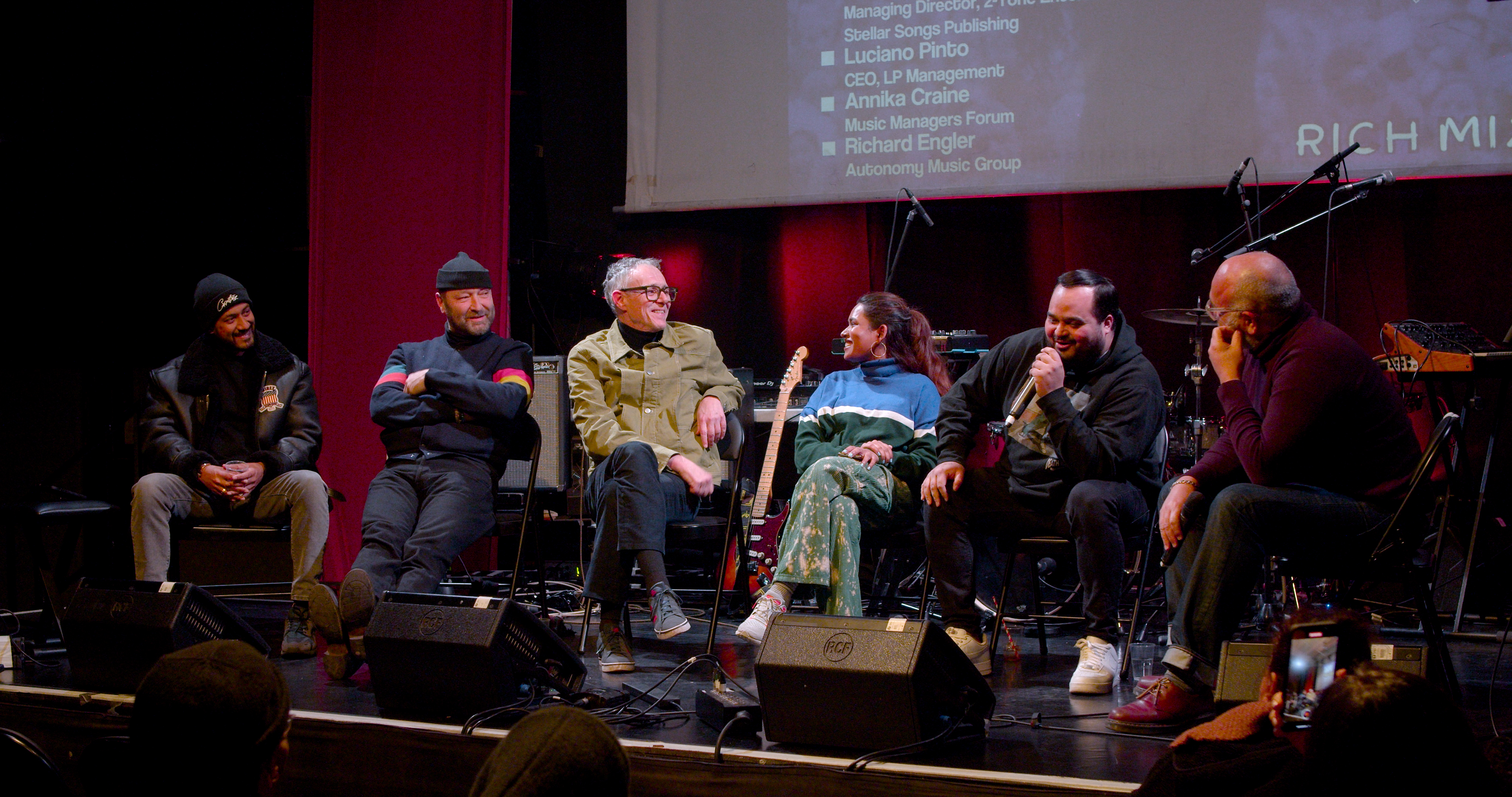
There’s no better setting for the Latinolife Incubator. Spread across two days, young artists can perform and attend a panel event with industry representatives, to make connections and ask questions. Walking in just before the first event begins, the atmosphere is charged with anticipation.
It was never ideological questions of representation or solidarity that inspired Jose Luis Seijas to organise Latin music showcases. The Venezuelan DJ who arrived in London back in 2000, started organising events because he wanted to hear new music that excited him.
Back in 2004, inspired by the first releases of Tego Calderon, and wary of a salsa scene that was less about music and more about a fitness cult, Jose started giving space to young rappers at his his own reggaeton events, the famous Bomba nights at Ministry of Sound.
That same year, Lynx, the deodorant brand, put out an open call for Latin music to use in one of their adverts. Young rappers and producers began making music for the commercial. In the end, Jose came second place in the open call. But he gained something much more important than a feature on the commercial. He could see that, the presence of opportunities in themselves act as a stimulus for unknown artists to create. “The biggest problem for a young artist”, he realised, “is visibility”.
That outlook has been in the “DNA” of the events he’s run ever since; he invited young talent to get up son stage at his events and these showcases gradually evolved into the Incubator events. A free to play concert, open to all ages, and all genres of music, designed for Latin artists to find their feet – and hopefully, one day, to make a living out of their art like he can.
 |  |
Navigating the commercial industry
Achieving that dream today seems like no small feat. Technological advancements, from AI to algorithms, have shaken the commercial music landscape. Making Latin music in a UK market with so much ignorance of the genre, adds one more hurdle for young artists who are already facing an uphill battle. But Incubators can give artists a leg up in the competitive space.
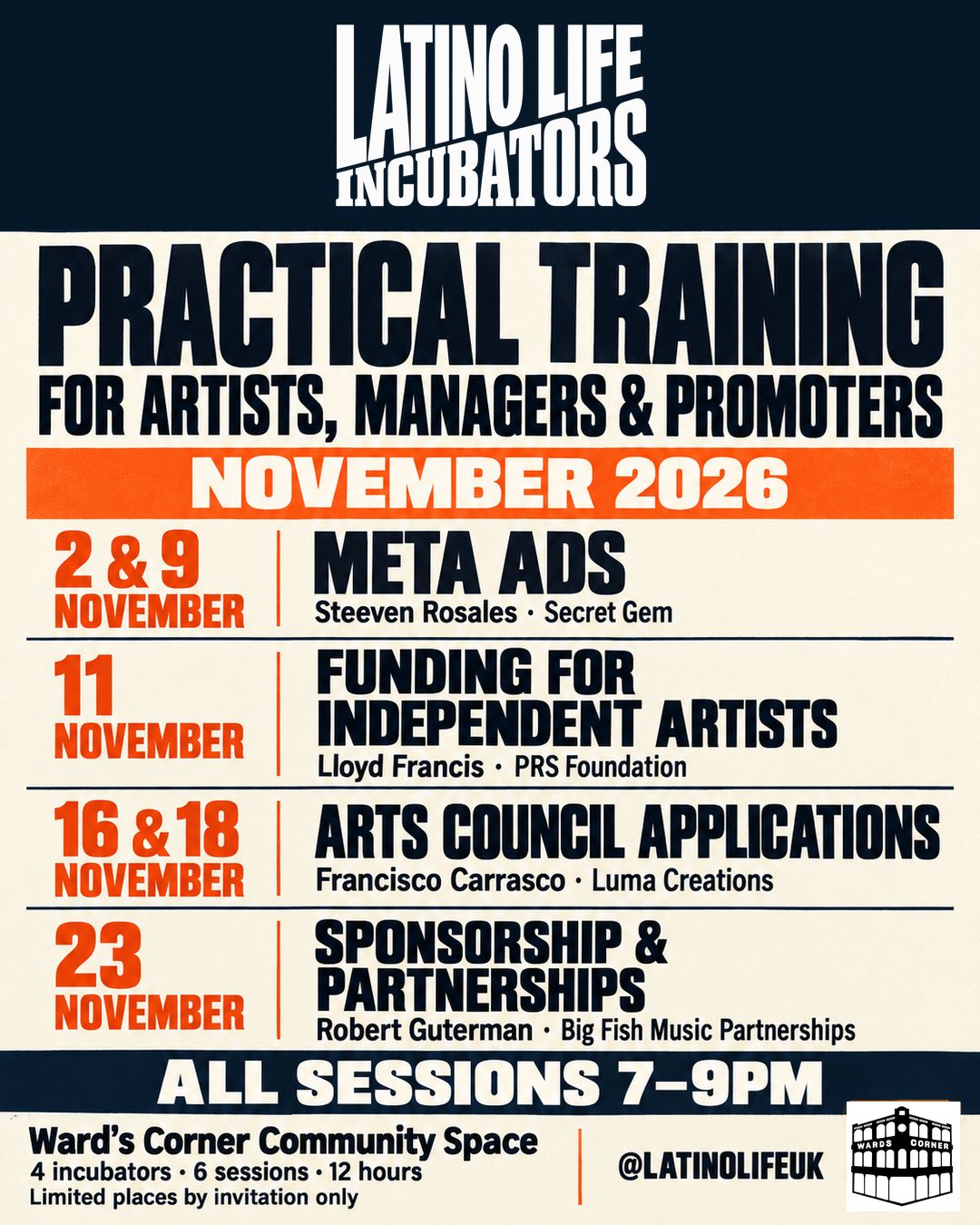
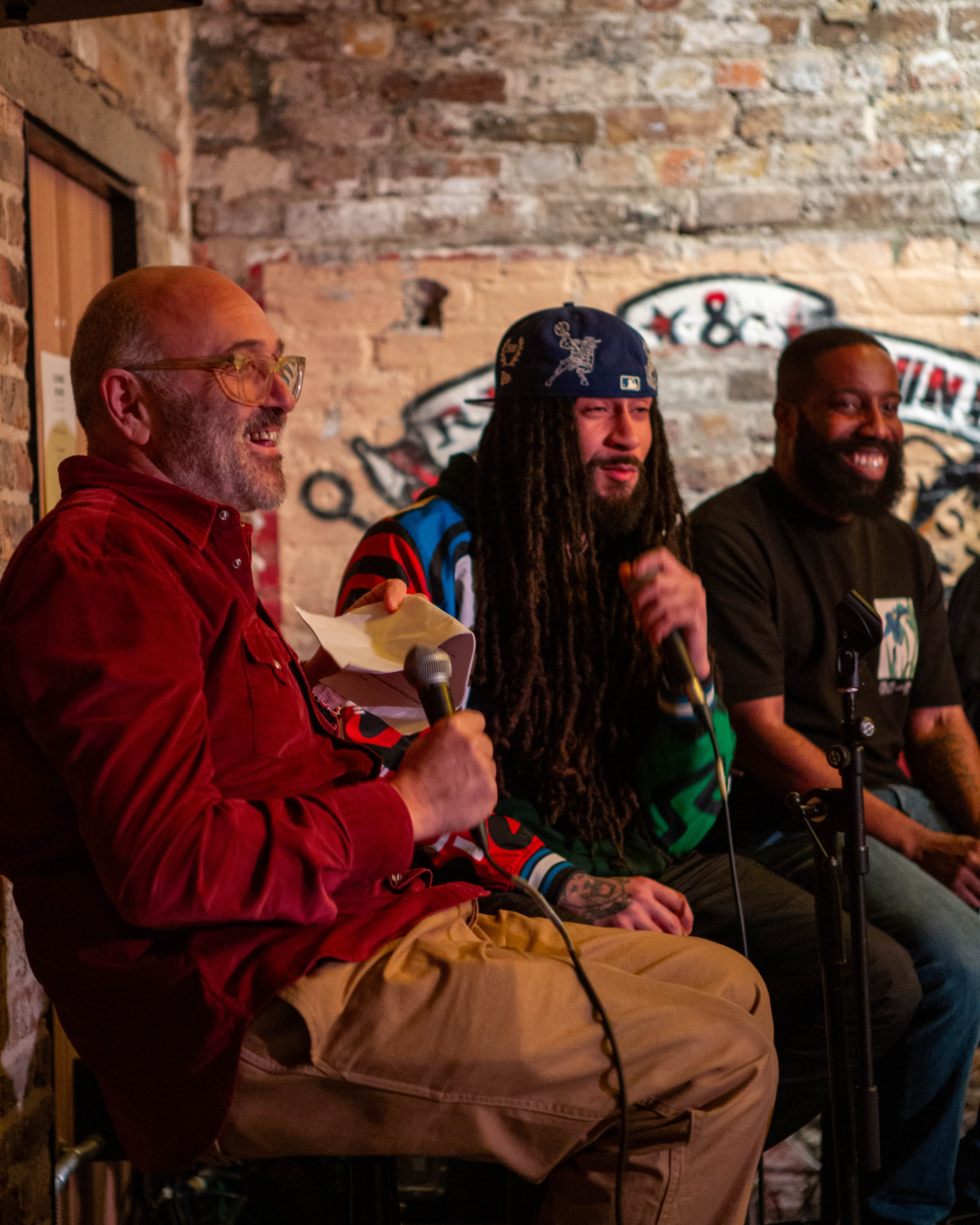
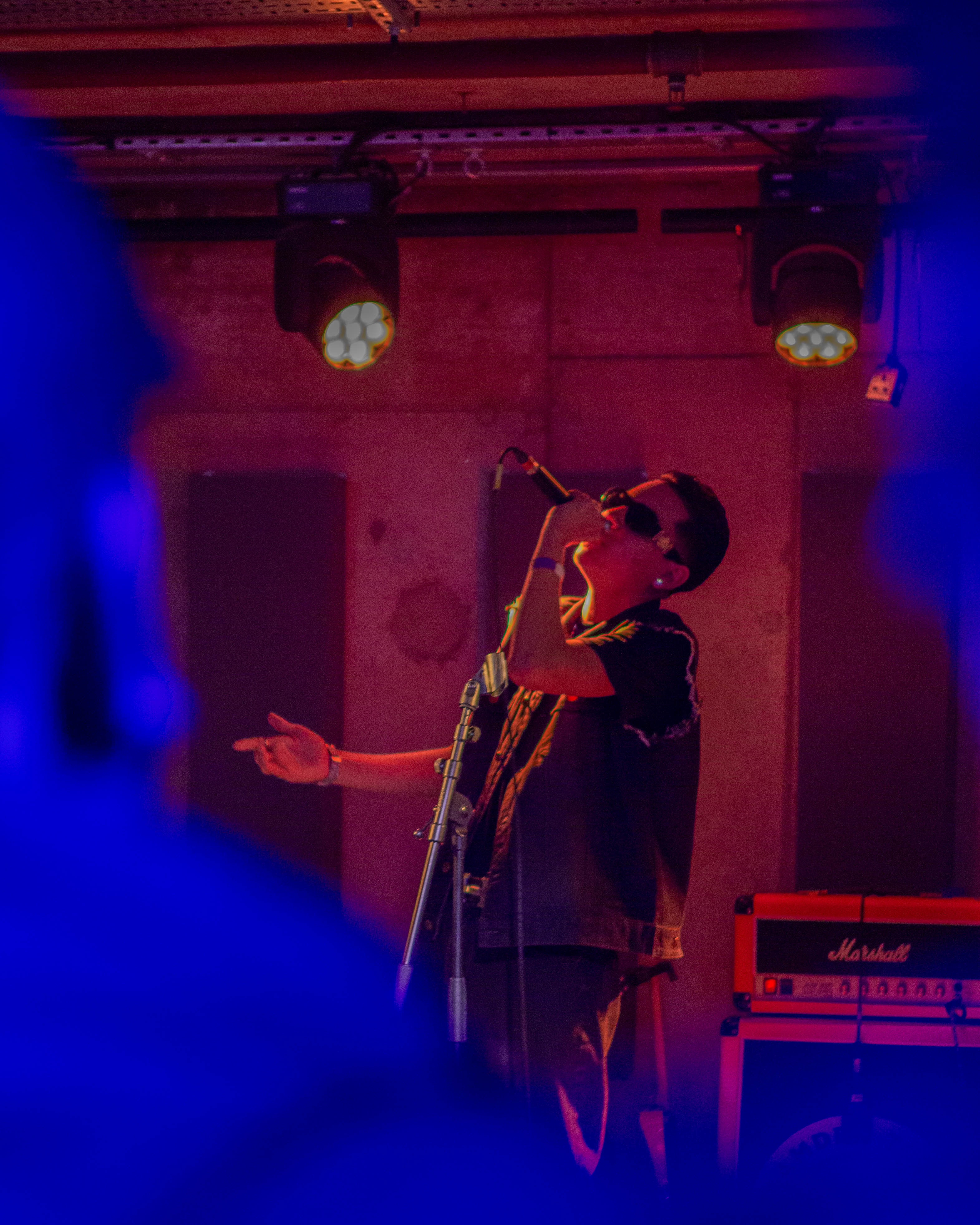
The panel discussion, Q&As, networking session and showcases connects emerging talent with a network of peers facing the same problems, industry professionals to spot new talent and mentors who can help. They are a chance for artists, promoters, venue managers, festival curators, labels, distributors and media to rub shoulders, get inspired, share ideas and experiences and make big plans.
In the greenroom, performers as young as fifteen, like Justin Yo, sit talking with seasoned professionals like Caro Caxi. How cringe is too cringe on social media? How far should you go to promote your music online? There may be no clear answer to these questions, but there is certainly solidarity in trying to figure them out together.

| 
|
Then there’s the cultural and commercial balance. Enla Arboleda, a Colombian musician with an indie sound, whose latest album, 'Other Ways To Find Yourself', hinges on notions of culture and belonging, says that it is the accumulation of several LatinoLife initiatives - industry events, mentoring and talent development programmes - that together make a difference.
“Working in a an industry where we are culturally misunderstood, the Incubators provide both commercial opportunities and knowledge. Practicing with photographers, engineers, and a live audience is a totally different experience, and “an opportunity to experiment with new sounds.” For him, performing at an incubator led to a songwriting retreat with Abbey Road Studios, a mentorship with the legendary Phil Manzanera. "Latinolife even helped me obtain my talent visa to stay in the UK."
"The Incubator showcases are are way of putting talent on our radar," insists Jose Luis, Musical Director of LatinoLife in the Park, the UK's largest Latin Music Festival, and the Latino stage at SxSW London. "Many of the performers who end up playing at our festival, we discovered first at one of our Incubators."

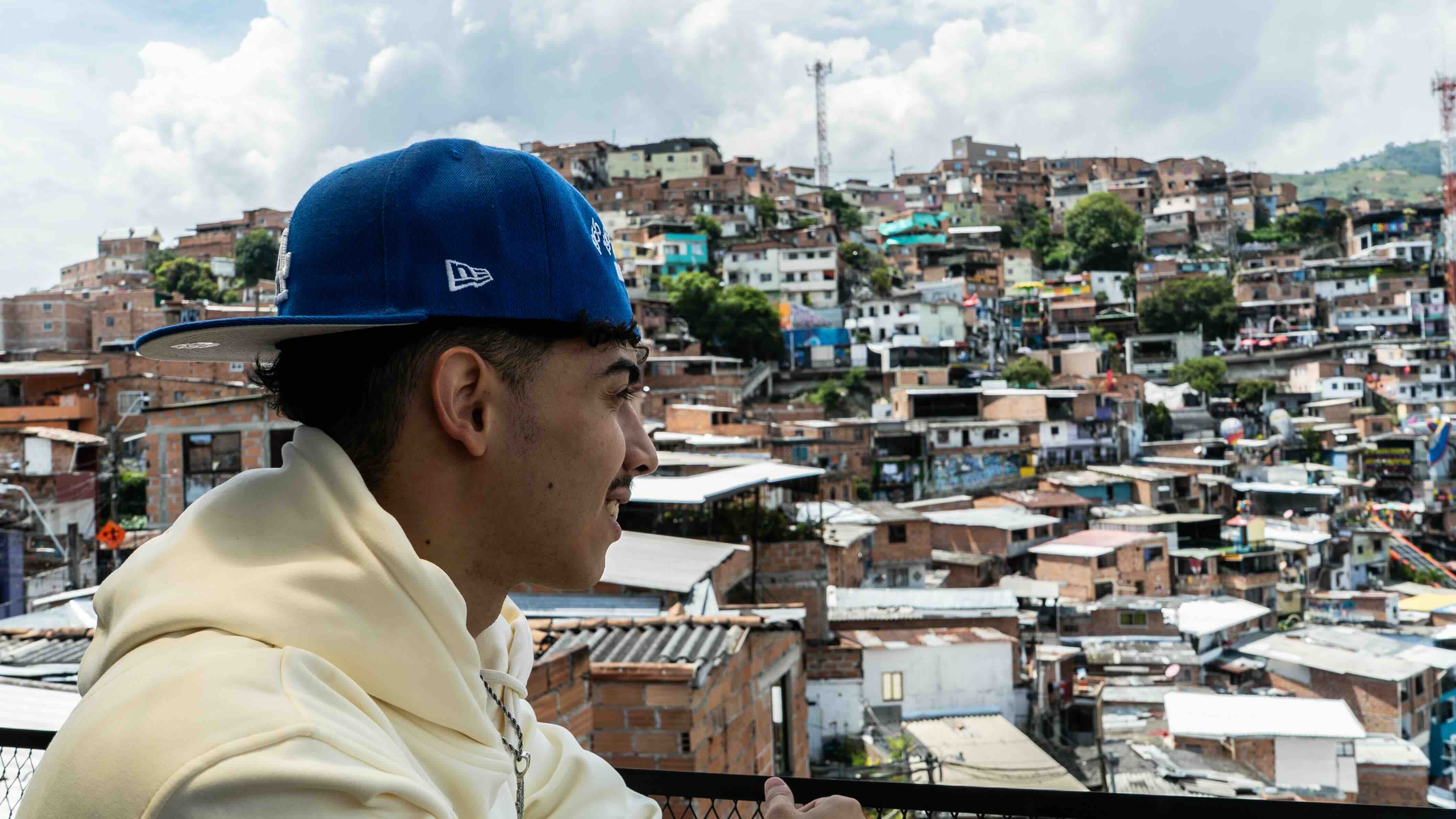
Rapper Yxng Dave, who mixes UK drill with Spanglish lyrics and Colombian beats, is also an advocate for the opportunities that Incubators provide. In the 2026 Incubator, he appears on the panel discussion "Exporting Latin Music" and talks about the media and tour to Colombia he was taken on, as part of the LatinoLife Development Programme. The 10 day tour meant he performed on 10 national TV and radio shows in 3 days, participated in a songwriting camp in Medellín and and recording sessions with Colombian artists, some extremely well known with a total of 11 songs being recorded. He also met with J Balvin’s management and has been invited back in 2026 on a club tour.
"It was a full circle moment for me." Yxng Dave says. "I developed immensely as an artist; being in the studio with international creatives or on live television pushed me professionally and helped me find my unique voice and grow as an artist. I learned to move faster creatively and incorporate sounds and skills from top international producers and artists."
None of this would have happened if he hadn't performed at the Incubator in January 2025, insists Yxng Dave. Within a year he went from Incubator performer to performing at SXSW London, Lambeth Country Show, Latino Life in the Park and opening for Nanpa Basico and then chosen to be on LatinoLife's Talent Development Programme and a life-changing international trip.
"It came at a time when i was ready to explore opportunities beyond the UK scene," continues Dave. The whilwind experience of having viral hit Canada Fur garner interest from KRS1 and touring with the Youtuber but with no idea of what to do next is captured in his latest album, Famoso. His first track, "I should have" is an introspective reflection on his overwhelming relationship with fame (“world spinning but I’m froze”), capturing his mindset at the outset of his journey. It’s a stark contrast to the final track, the album’s namesake Famoso, a catchy, cocky party song that boasts about the perks of celebrity.
There’s a three-year gap between some of the songs on the album, he explains to me, which exposes his changing mindset. "Latinolife helped me re-embrace the creative process” of songwriting, connecting him with new management. "Then everything started to happen. "I was mentioned in an Apple Music interview by J Balvin and Lechero, and by being talen to Colombia with the Development Programme was able to capitalise on that to meet J Balvins DJ (DJ Pope) in Medellin, allowing me to widen my network further. This wasn’t just a trip, this was a defining chapter for my career."
A return to the big picture
Another panellist, Kwame Safo, closes the evening with a pointed observation: “if you don’t name and define your culture, someone else will”. He points to the history of grime music. Artists such as Wiley originally favoured terms such as eskibeat for the genre, but it was also known as 8-bar, and sublow within the community. British music journalists, however, dubbed the music grime, a term that broadcasters went on to associate with criminal behaviour, leaving “a legacy of racialised public morality”, according to music historian Alex de Lacey.
It's an important cautionary tale. Latin artists must be able to take up space within the industry by creating, defining, and owning their sound. Especially when we consider the hybrid and cross-cultural genres that continue to emerge from London’s Latin music scene. Whether its Spanglish drill or something else entirely, these new genres deserve to be legitimised by the communities that create them, rather than misunderstood or commercialised by people outside of the community.

That this conversation is taking place at the Lower Third carries particular weight - not just because of the venue’s all-star reputation. It’s only minutes from the site of the Denmark Place fire. In 1980, a salsa club that served as a cultural hub for London’s Latin immigrant community was destroyed in an act of arson that killed 37 people. In the aftermath, sections of the mainstream press dismissed the club’s clientele as “seedy”, associating it with prostitutes, homosexuals, addicts, and of course, migrants. Despite the scale of the tragedy - the largest post-war fire in London until Grenfell - no formal investigation followed, and many families remained unaware of the circumstances surrounding their loved ones’ deaths for years. As journalist Simon Usborne later wrote, “its victims didn’t count.”
That history still lingers. Against it, the recognition of Latin music as worthy of space, celebration, and legitimacy takes on a deeper meaning.
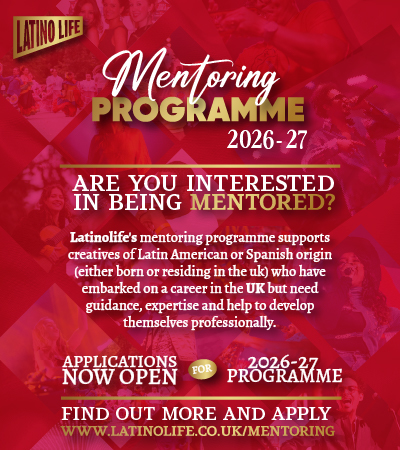
To learn more about LatinoLife's Incubators, Mentoring programme and Talent Development Programme sign up to our newsletter.